


|
|
|
|
by Yvette Depaepe
Published the 21st of June 2026
Itzik Rabinovitz is a master of conceptual portraiture. He describes his workflow as follows: 'Before I even touch the camera, I can usually see the finished image in my imagination. Then I work backwards, selecting the location, model, clothing, lighting and composition that will best convey that idea.” Coming from an engineering background, I naturally enjoy problem-solving. Every conceptual photograph is like solving a design challenge, but with emotion replacing mathematics”.
Read this fascinating interview to find out more about this fine art photographer.
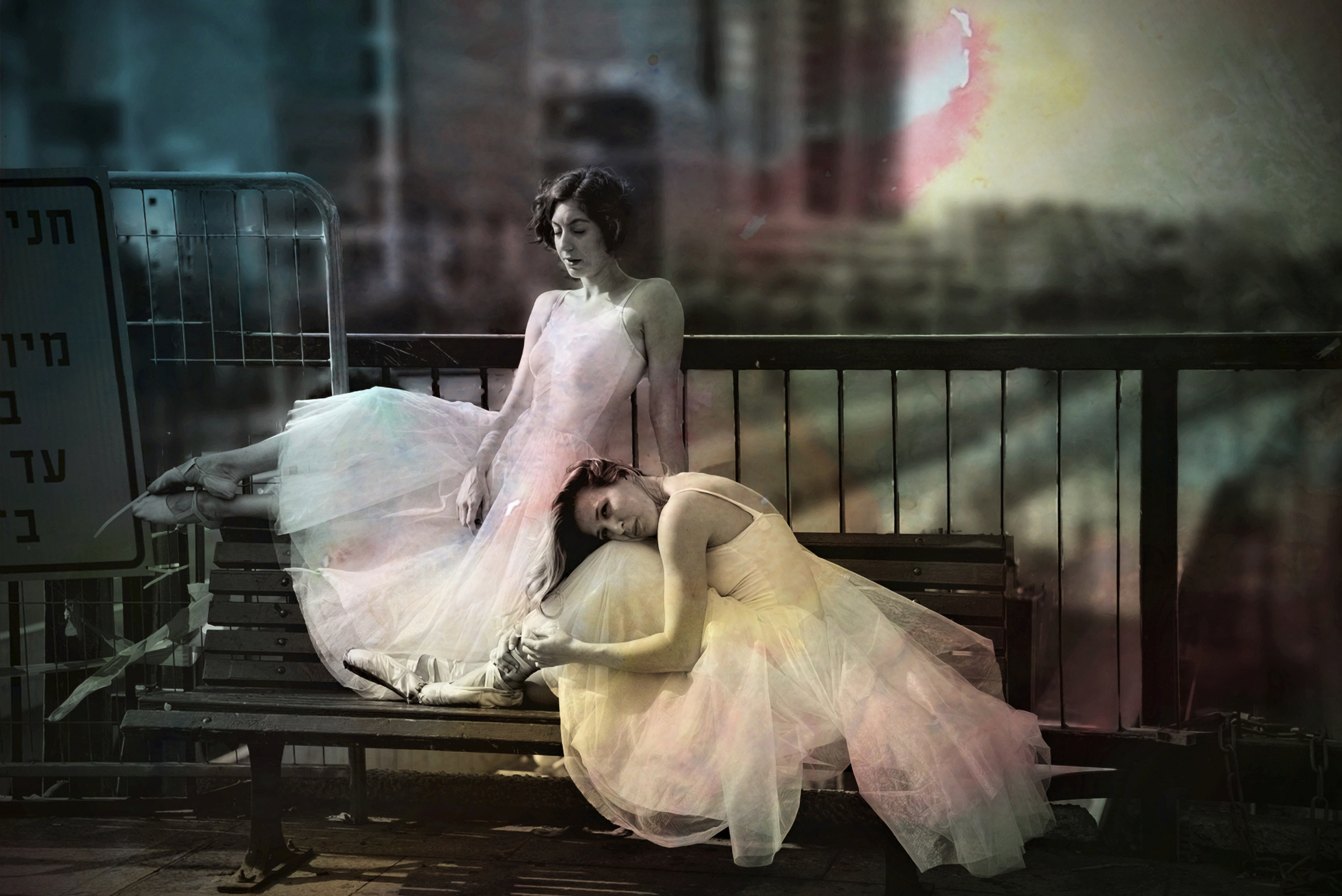
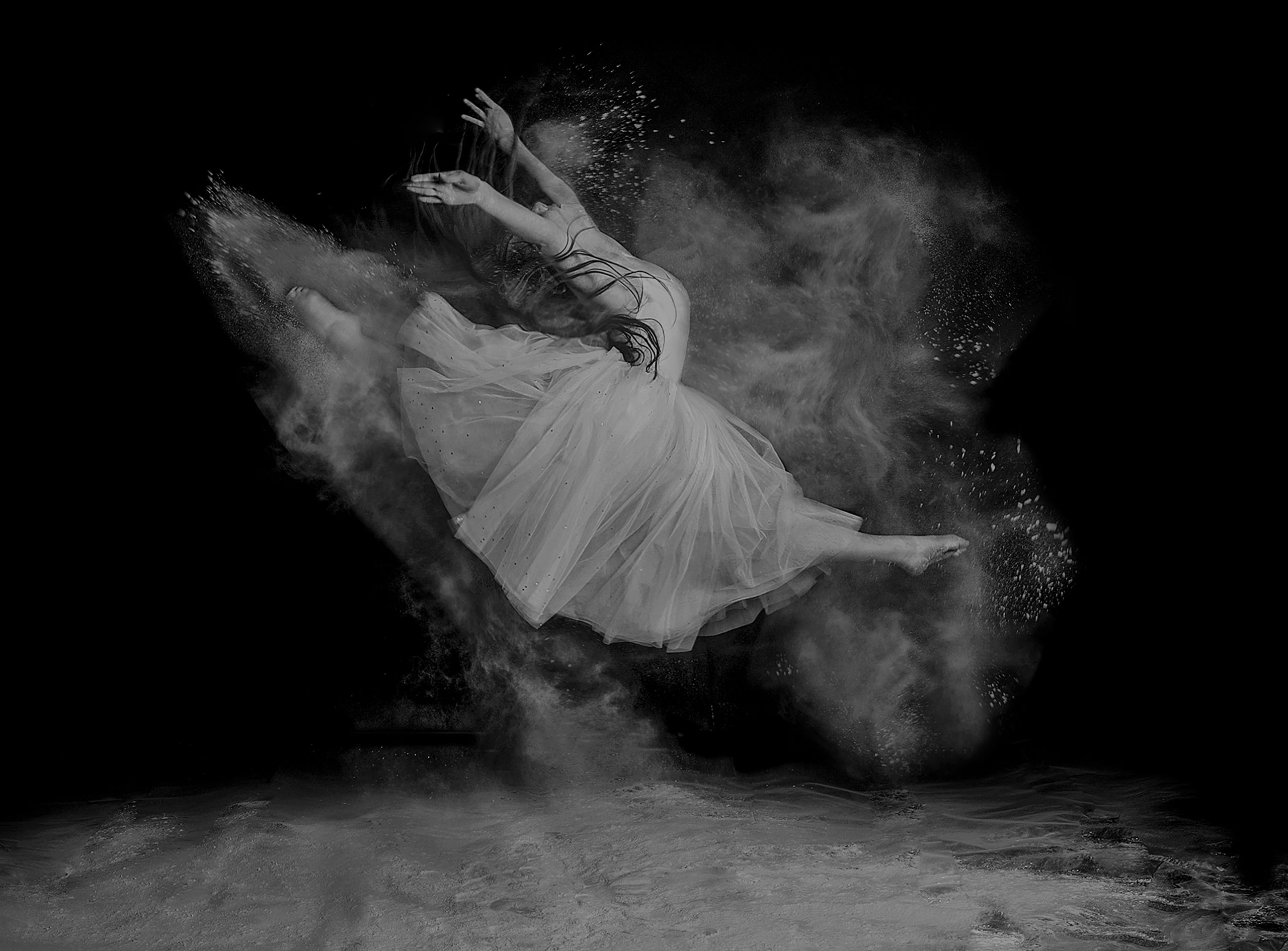
‘Dancer’s Rest’
Dear Itzik, first I would like to thank you so much for taking the time to answer this questionnaire! To begin with, could you please introduce yourself briefly and tell us more about yourself, your hobbies and any other projects you are involved in?
My name is Itzik Rabinovitz. I am a mechanical designer, inventor and entrepreneur, and I work mainly in the medical device industry. I have over four decades of experience developing complex products, ranging from life-support systems to advanced MRI technologies and surgical simulators. Engineering has taught me to pay close attention to detail and to understand structure, balance and purpose.
Photography has become the artistic counterpart to my engineering career. While engineering requires precision and logic, photography enables me to express emotion, symbolism and imagination.
Outside of photography, I enjoy travelling, especially to remote landscapes such as Iceland, where nature becomes both a stage and a collaborator. I also enjoy mentoring young engineers and learning about new technologies that can enhance my professional and artistic work.
How and when did you start your journey in photography?
My photographic journey began many years ago while I was travelling. Initially, I documented places, but after some time, I realised that merely recording reality was not enough. I wanted to create images rather than merely capture them. The turning point came when I discovered conceptual portrait photography. Suddenly, photography became a form of storytelling. Every image could convey an idea or emotion, or even pose a philosophical question. From that moment on, photography became much more than a hobby.
For many of us, photography is a hobby or a way of life. So, how would you describe your relationship with it?
Photography is my creative outlet. It enables me to convey thoughts that are difficult to express in words. When designing complex engineering systems, everything is governed by specifications and calculations. Photography, however, gives me complete freedom. Every project begins with curiosity: 'What story can I tell that hasn't been told this way before?'
Which experience has had the greatest influence on your journey in photography so far?
Travelling to Iceland had a profound influence on me. The country's dramatic landscapes taught me that nature itself can be a character in a story, rather than just the backdrop. Working with models in unpredictable weather conditions forced me to think creatively, adapt quickly, and embrace imperfection. Another important influence has been joining the 1X community, where image quality, originality, and artistic vision are valued more highly than popularity.
Describe your vision for your photography.
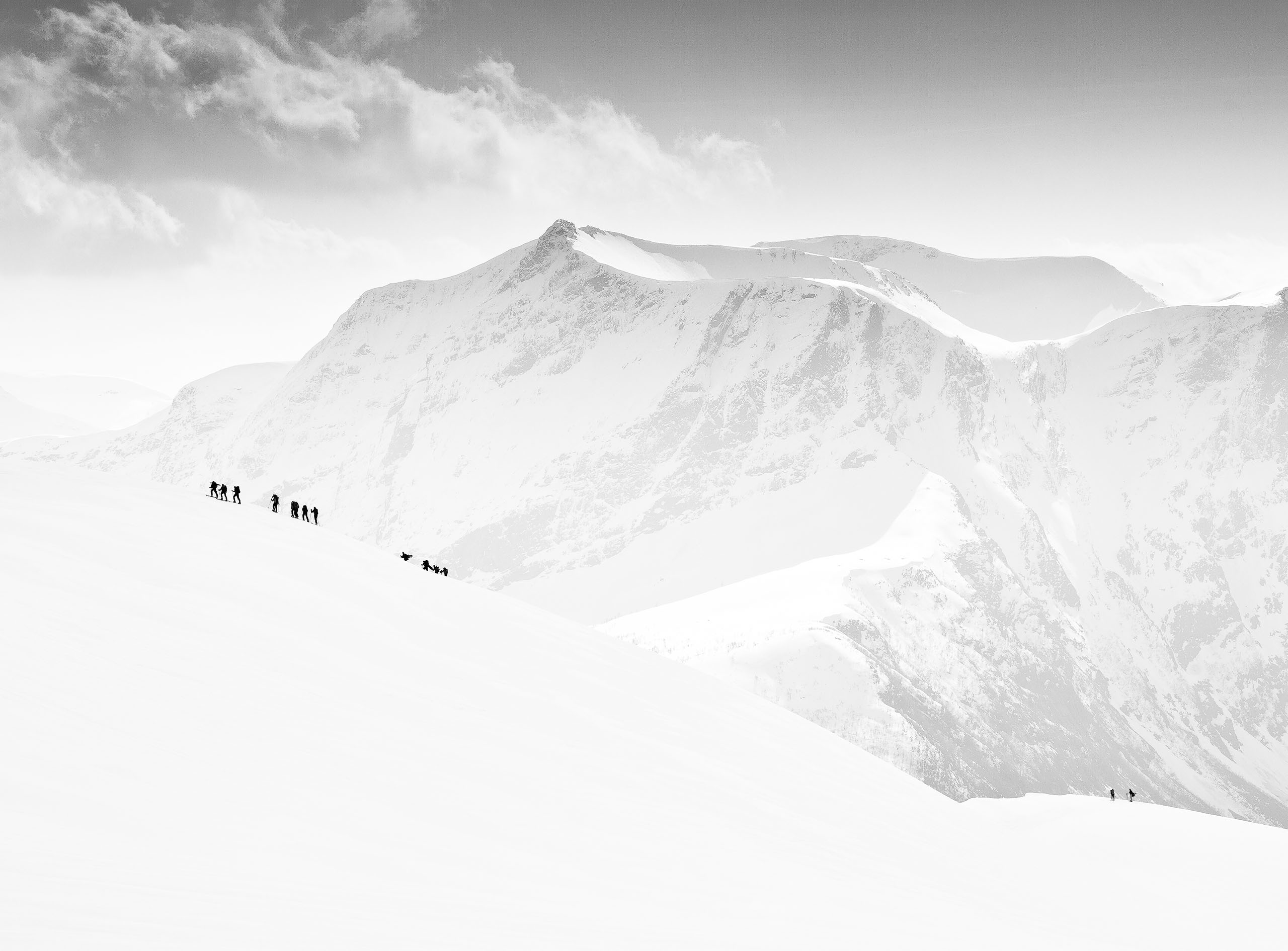
I try to create images that make viewers pause and think. Rather than documenting reality, I prefer to create an alternative reality that feels both believable and impossible. I am attracted to symbolism, mystery, and emotional ambiguity. I enjoy leaving enough unanswered questions for each viewer to develop their own interpretation. Recently, I have also become increasingly interested in minimalist, black-and-white imagery, inspired by the timeless work of the great masters.
The mood and composition of your fine art and conceptual portraits are outstanding! What is your secret, and what draws you to this type of photography?
I don't think there's any secret to it. It all starts with an idea. Before I even touch the camera, I can usually see the finished image in my imagination. Then I work backwards, selecting the location, model, clothing, lighting and composition that will best convey that idea. Coming from an engineering background, I naturally enjoy problem-solving. Every conceptual photograph is like solving a design challenge, but with emotion replacing mathematics.
In your opinion, what are the main features of a successful portrait photographer?
Technical knowledge is important, but empathy is even more so.
To be a successful portrait photographer, you need to understand people, build trust, observe subtle expressions, and know when not to press the shutter. Good portraits are rarely just about beautiful faces. They reveal personality. Patience, preparation, and respect for the model are all essential.
Could you tell us more about your workflow, from coming up with an idea to creating the final product?
Most of my projects begin weeks or even months before the shoot itself. I sketch ideas, collect visual references, study locations and consider lighting well in advance of taking the first photograph. During the shoot itself, I am flexible, as unexpected weather or spontaneous moments can enhance the original concept.
Post-processing is used carefully. I see editing as a way of completing my artistic vision, rather than as a means of creating something artificial. My goal is always to support the story, never distract from it.
Where do you find inspiration for the visual stories you want to tell?
What inspires you?
Inspiration can come from many places. For me, literature, classical paintings, old films, mythology, music and conversations all contribute. The human body is probably my greatest source of inspiration. Its elegance, vulnerability and capacity to convey emotion without words make it a boundless subject for artistic exploration. Sometimes, inspiration also comes from engineering itself. Examining mechanisms, structures and geometry can lead to unexpected artistic ideas.
Many people believe that gear is not very important if you are passionate about photography. However, could you please tell us what equipment you use, such as your camera, lenses, lighting and tripod?
My primary camera today is the Fujifilm GFX system. Its medium-format sensor provides extraordinary image quality and tonal depth, which I particularly appreciate when working on fine art. Depending on the assignment, I also occasionally work with my Nikon equipment. My favourite lenses tend to be moderate wide-angle and portrait focal lengths, which allow me to capture both environmental storytelling and intimate portraits. Lighting depends entirely on the concept. I prefer natural light whenever possible because it creates authenticity and subtle transitions that are difficult to reproduce artificially. For more controlled projects, I use portable flash units with soft modifiers. A sturdy tripod is essential for landscape compositions and precise framing. Ultimately, however, the camera is just a tool. Vision always comes first.
Which photographers or mentors have influenced you and your photography, and who are your favourites?
I greatly admire Ansel Adams's timeless landscapes and his extraordinary understanding of light and tonal range. Among portrait photographers, I appreciate those who create strong narratives rather than simply producing beautiful images. The 1X community itself has also been an important source of inspiration. Seeing the work of outstanding photographers from around the world constantly challenges me to improve and think differently.
Now that we are almost at the end of this interview, could you please tell us about any photographic projects you would like to be involved in?
I would like to continue creating conceptual portrait series in some of the world's most dramatic locations. In particular, I am interested in expanding projects that combine human figures with powerful natural environments, reducing visual complexity to its essentials.
Another of my personal goals is to publish a carefully curated fine-art photography book that reflects my artistic journey, rather than simply presenting individual images. Photography is an endless learning process, and I hope that my best work is yet to come.
Is there anything else you would like to add, and what are your thoughts on using 1X as a base for your work?
To me, 1X is so much more than just an online gallery. It is one of the few places where artistic quality is the primary criterion. The careful curation encourages photographers to focus on creating meaningful work rather than chasing numbers or social media trends. Being accepted on 1X has always felt like receiving recognition from my peers rather than from an algorithm. I am grateful to be part of this community and hope to continue contributing to it for many years.
Thank you very much for this opportunity, and for all the work the editorial team does to support fine art photography.
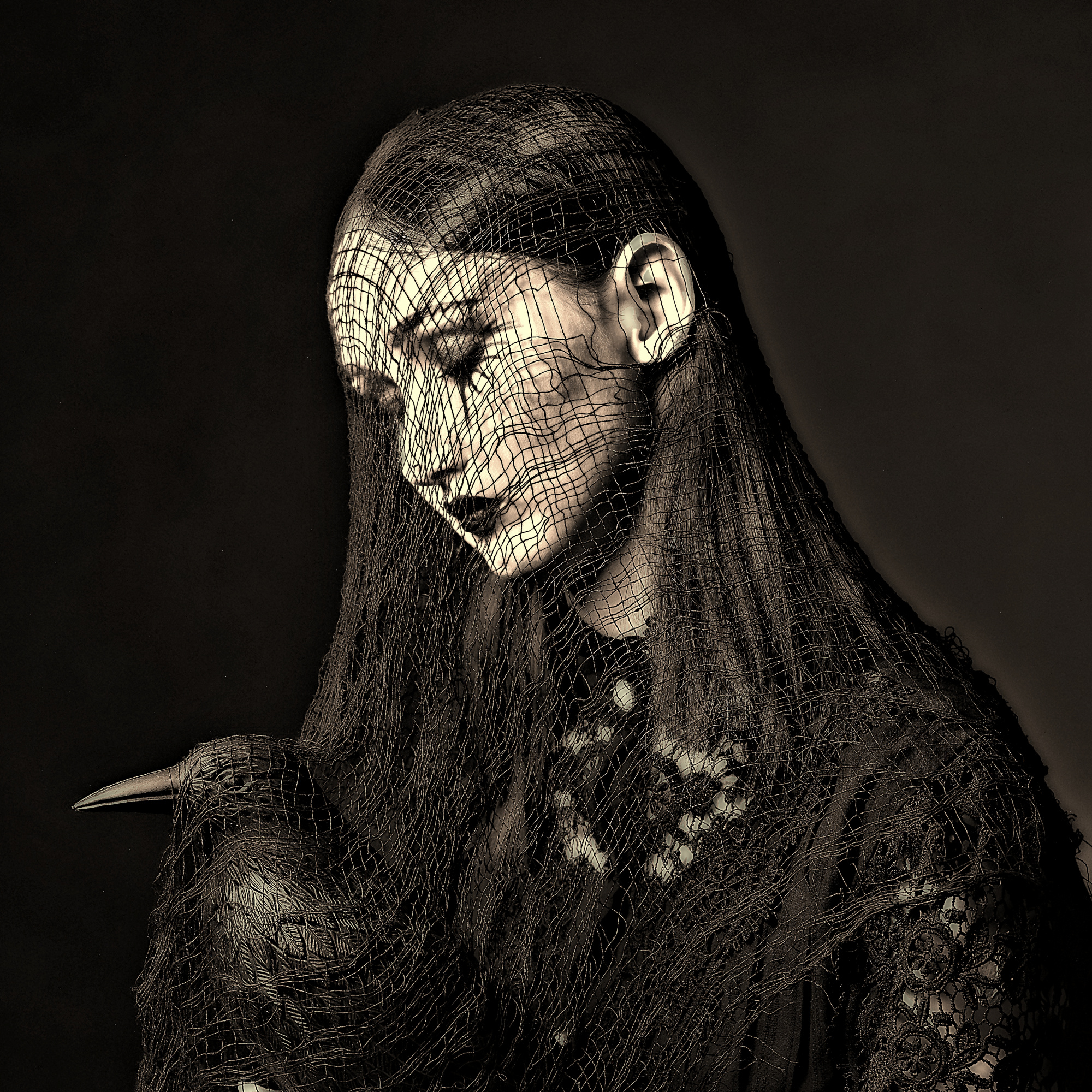
‘The Raven’s Bride’
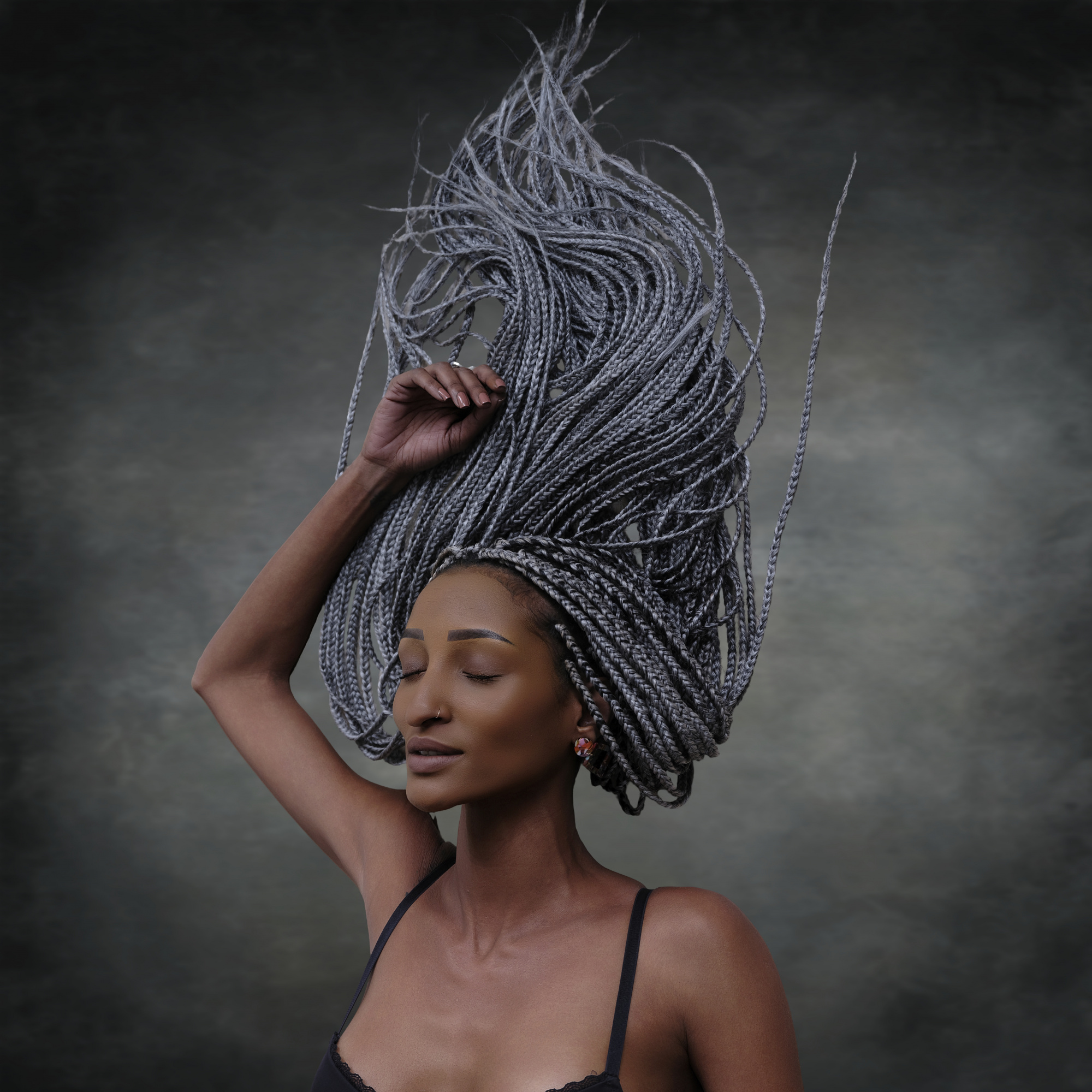
‘Silver Motion’
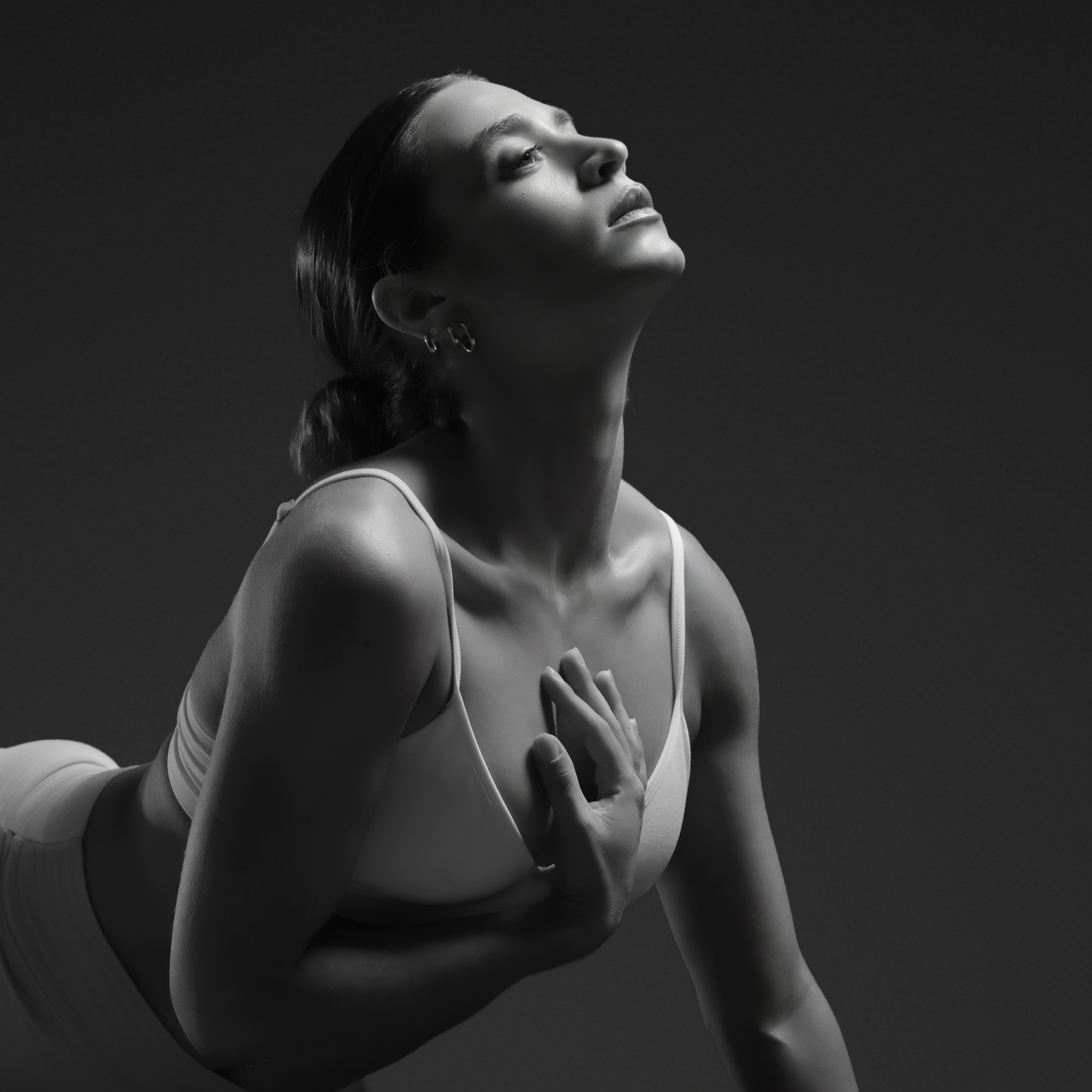
‘Adi’
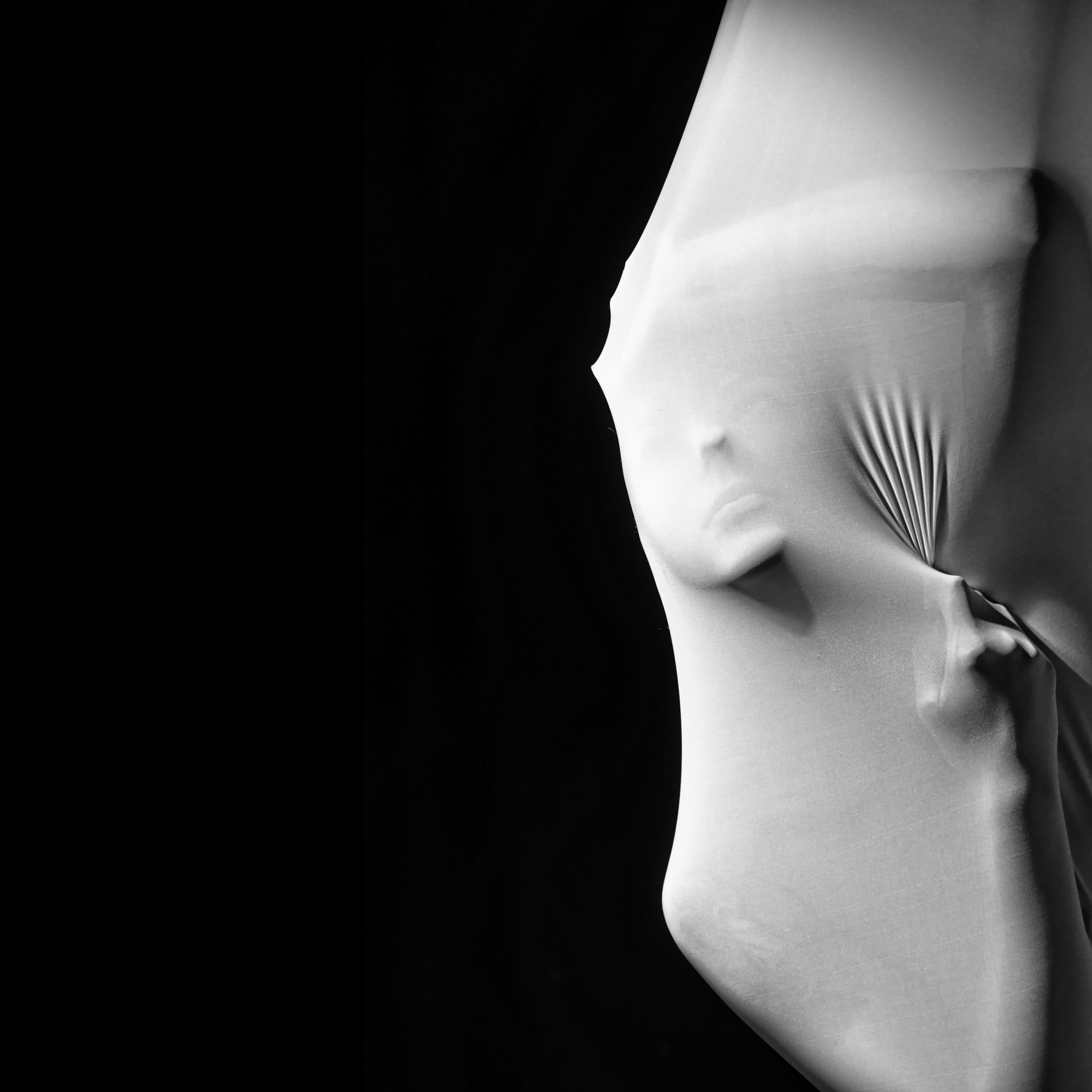
‘Incognito’
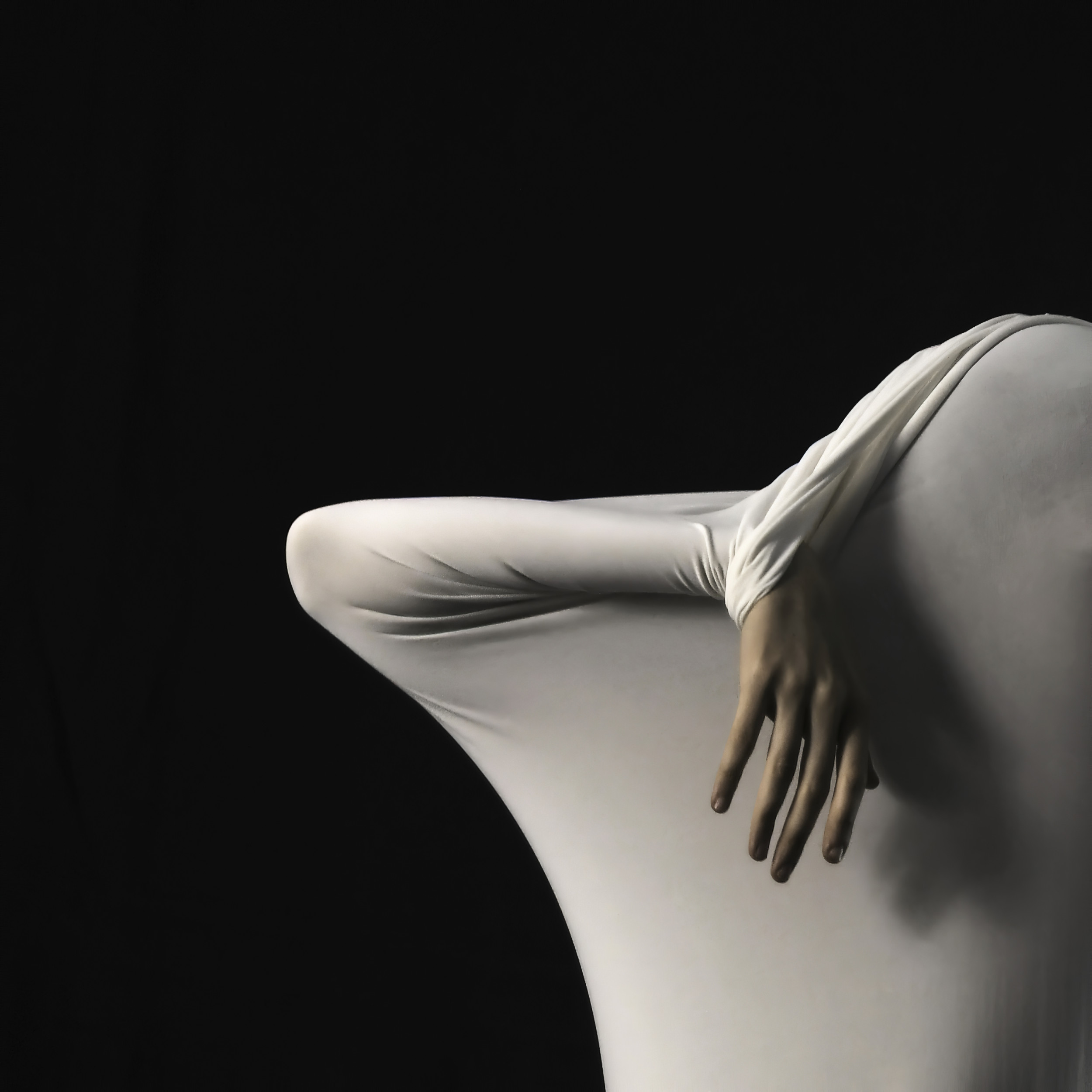
‘lonelies’
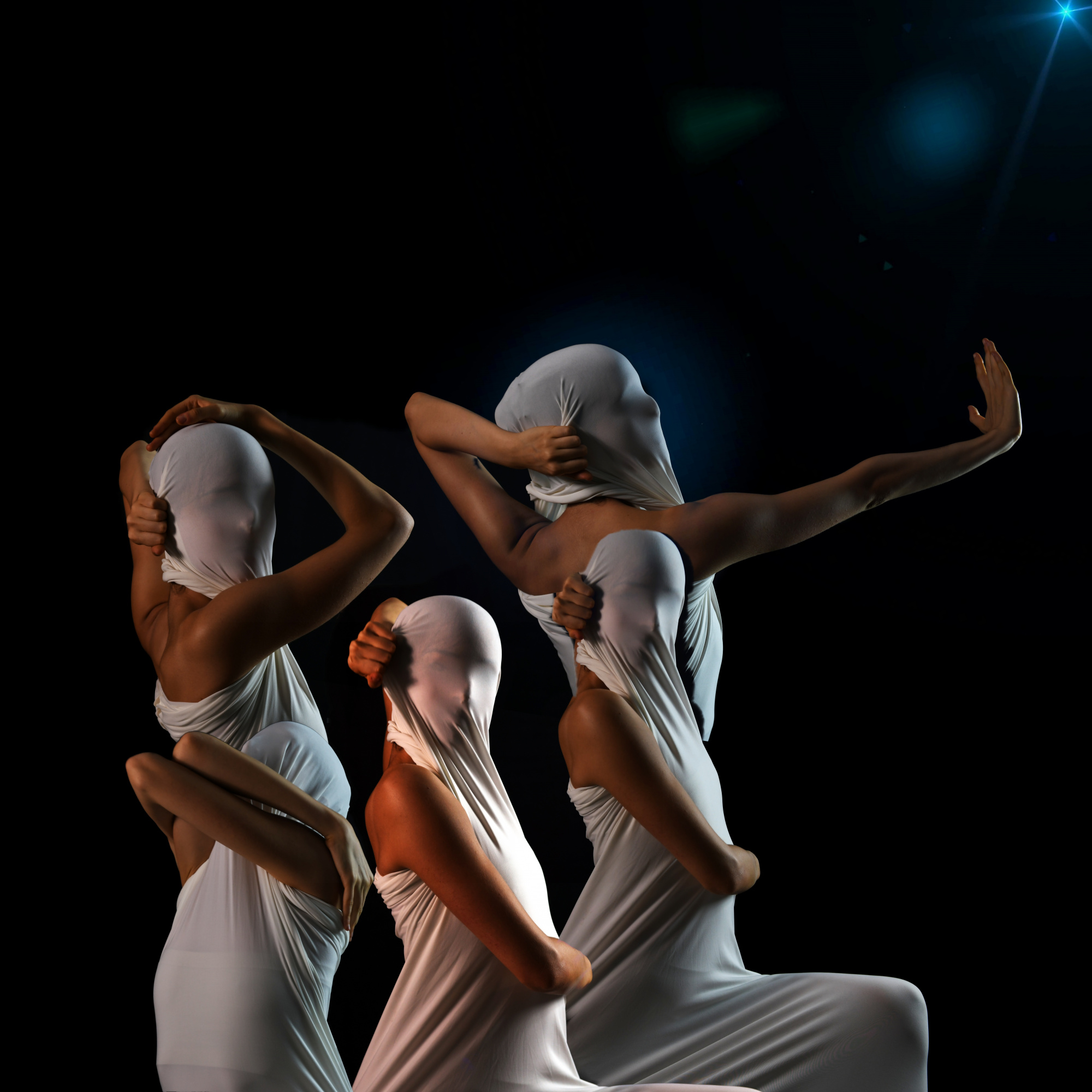
‘going incognito’
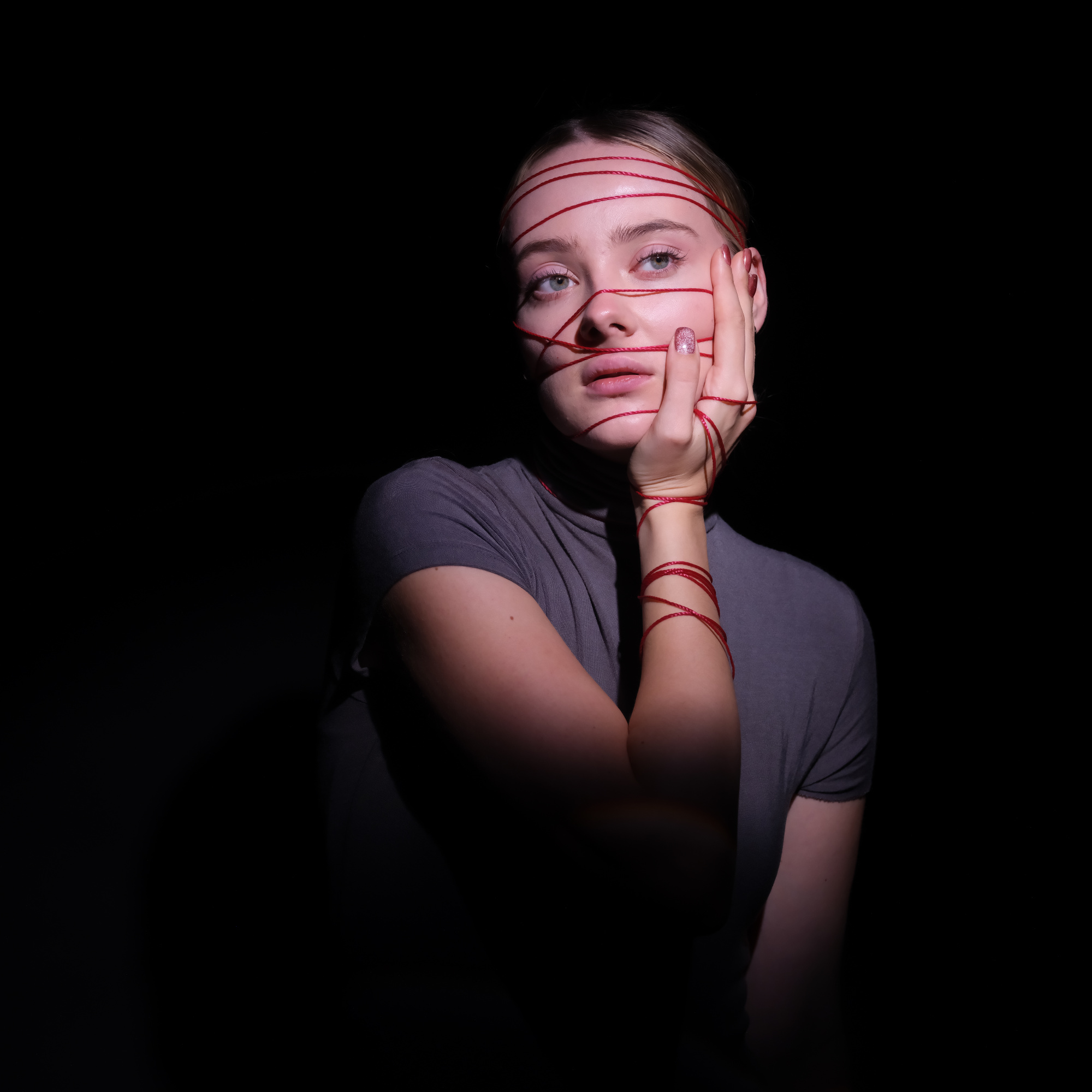
‘Daria’
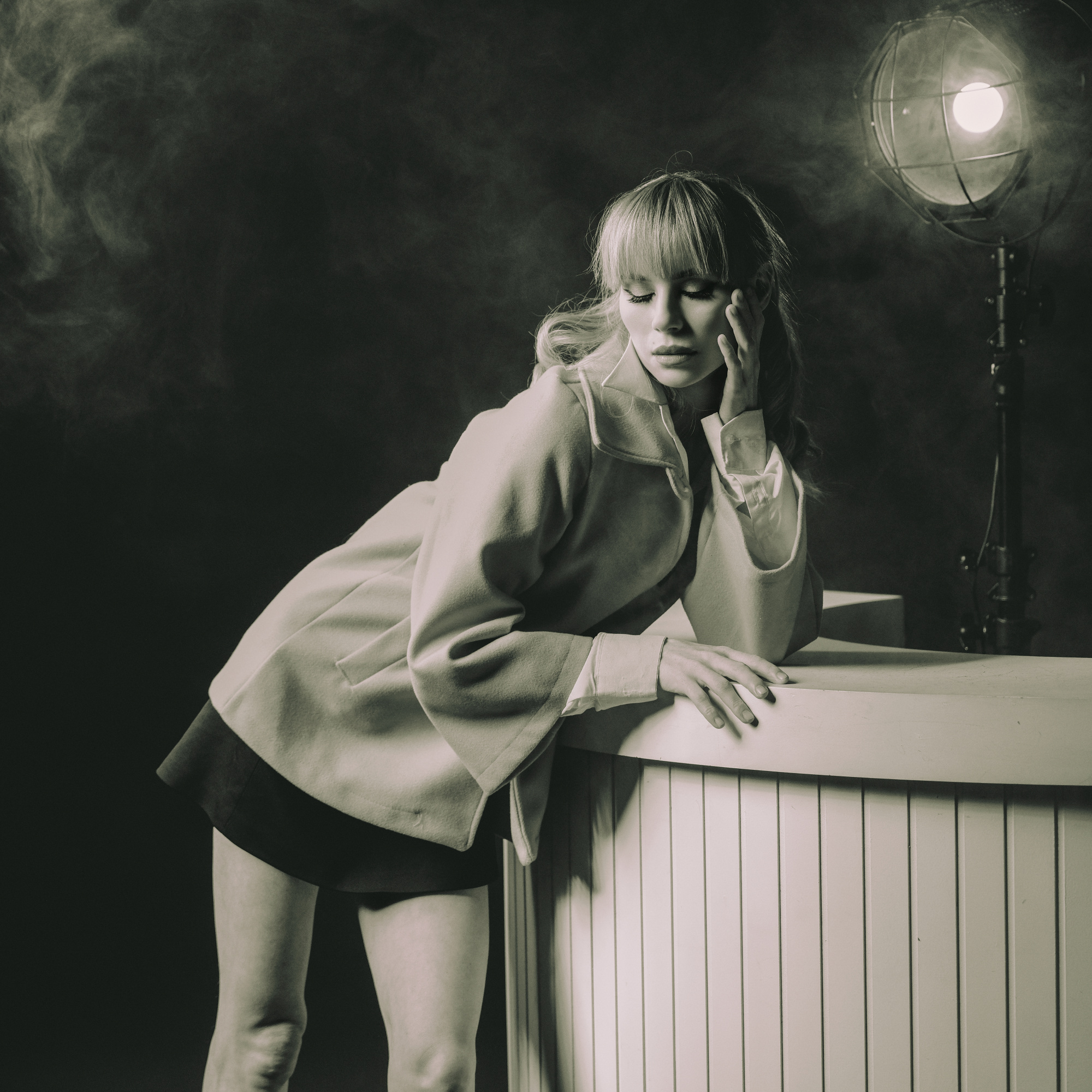
‘Kristina’
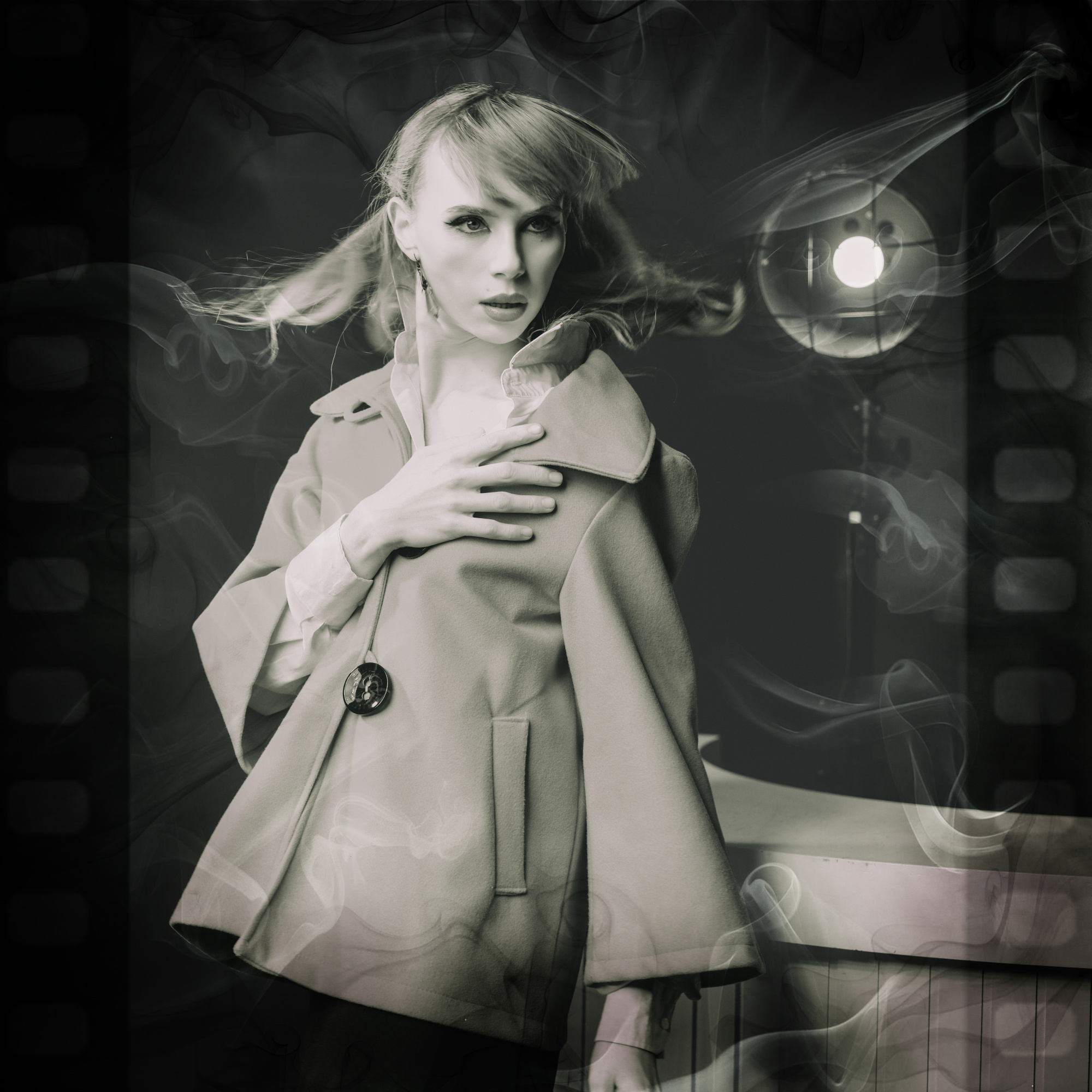
‘Kristina’
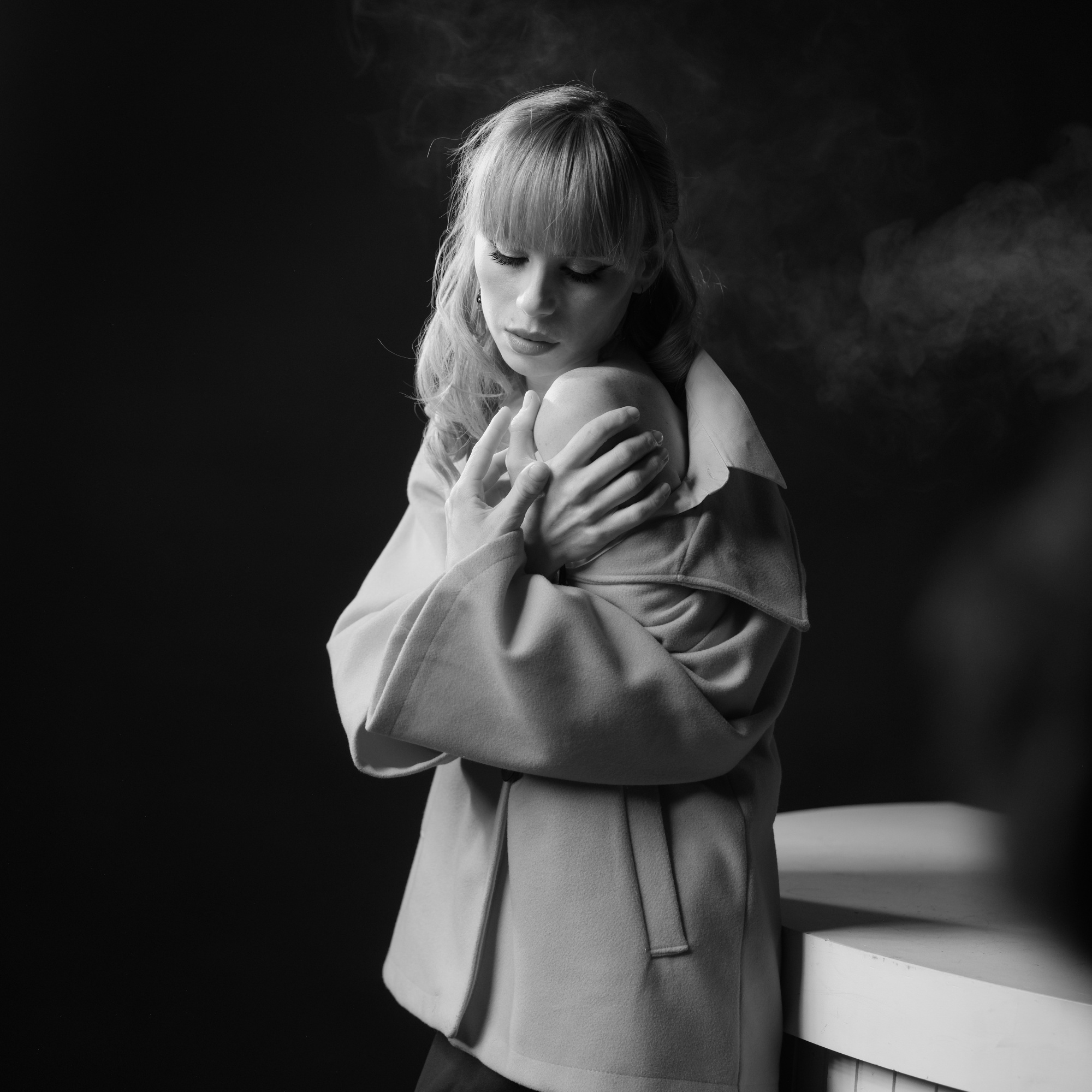
‘Kristina’
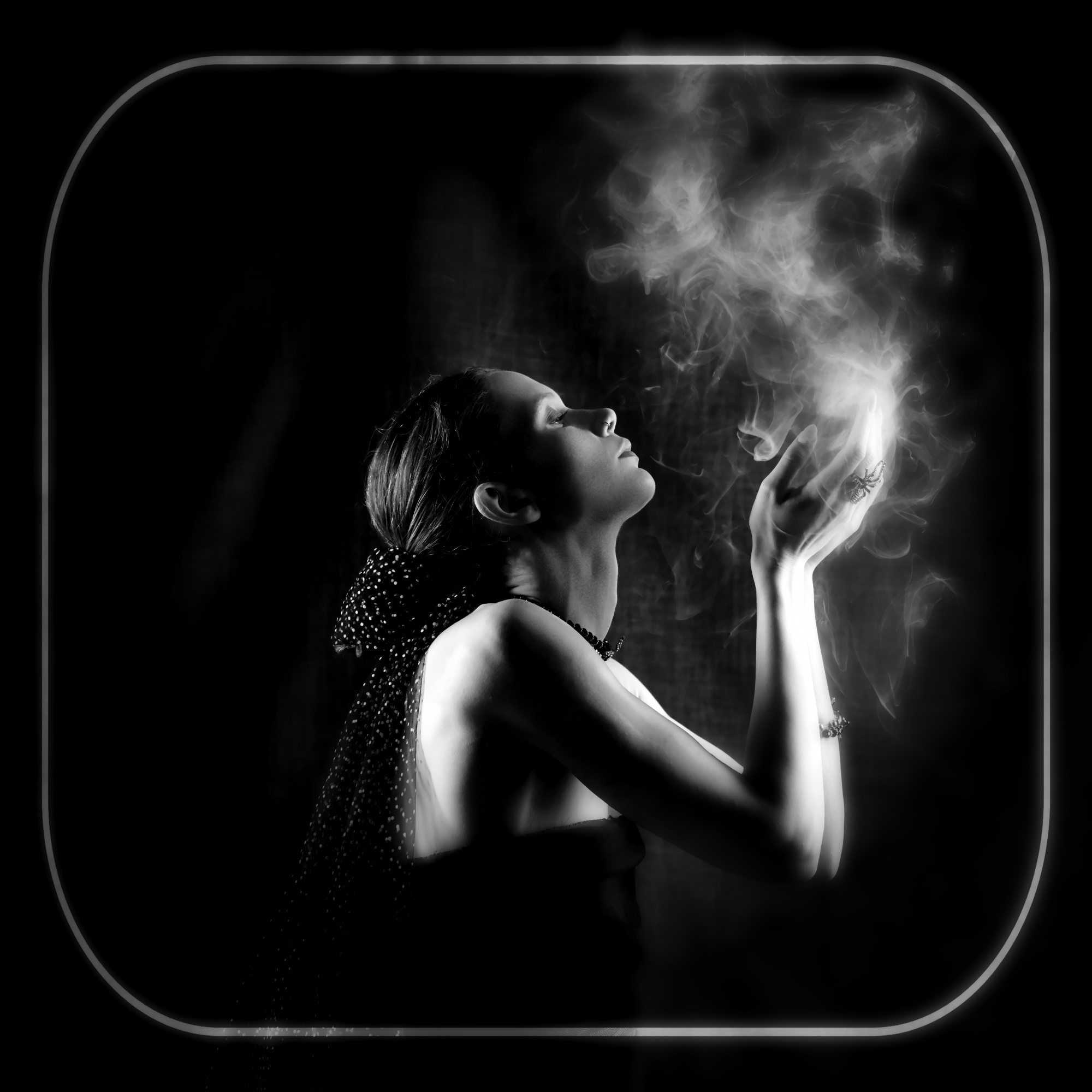
‘Between Breath and Light’
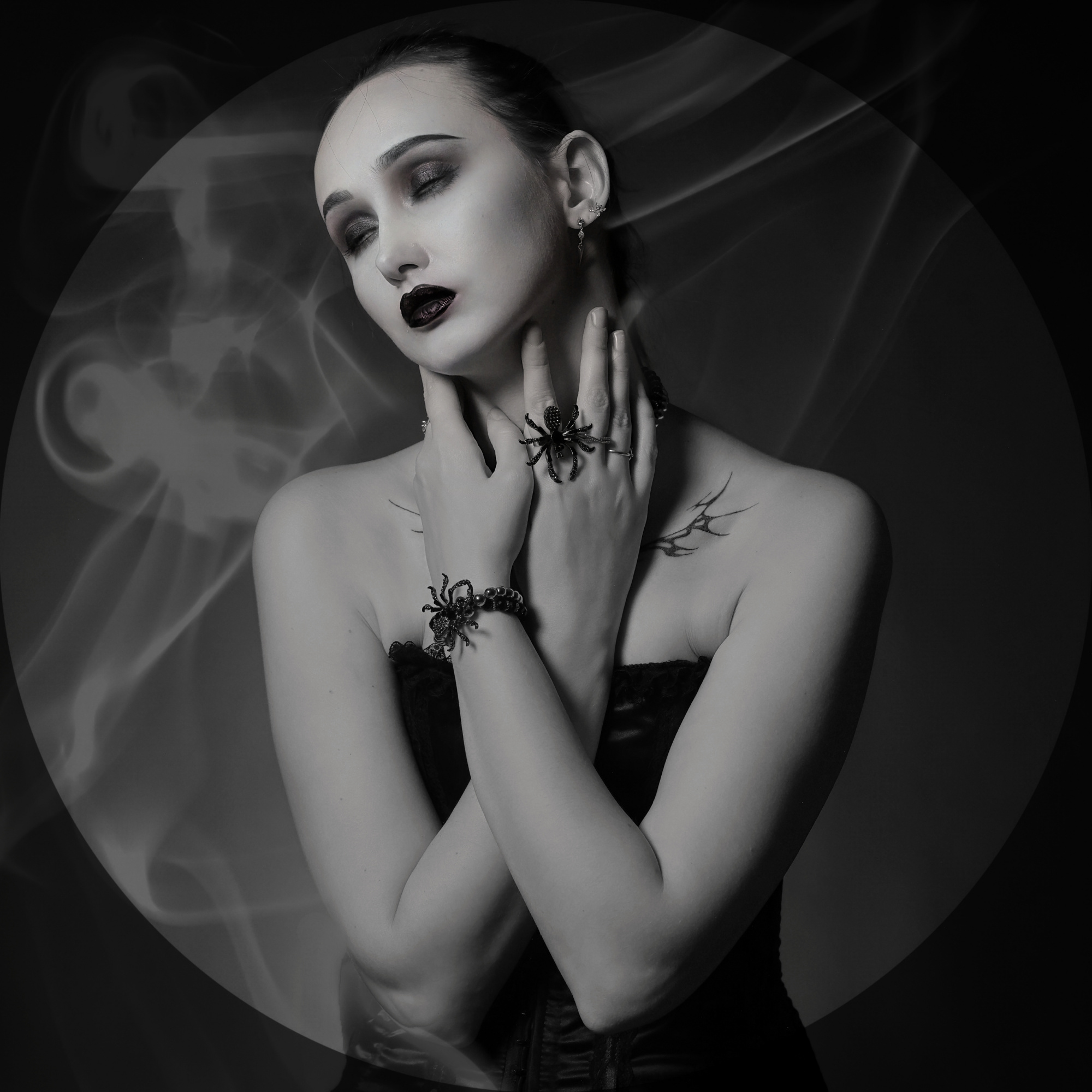
‘Valery’
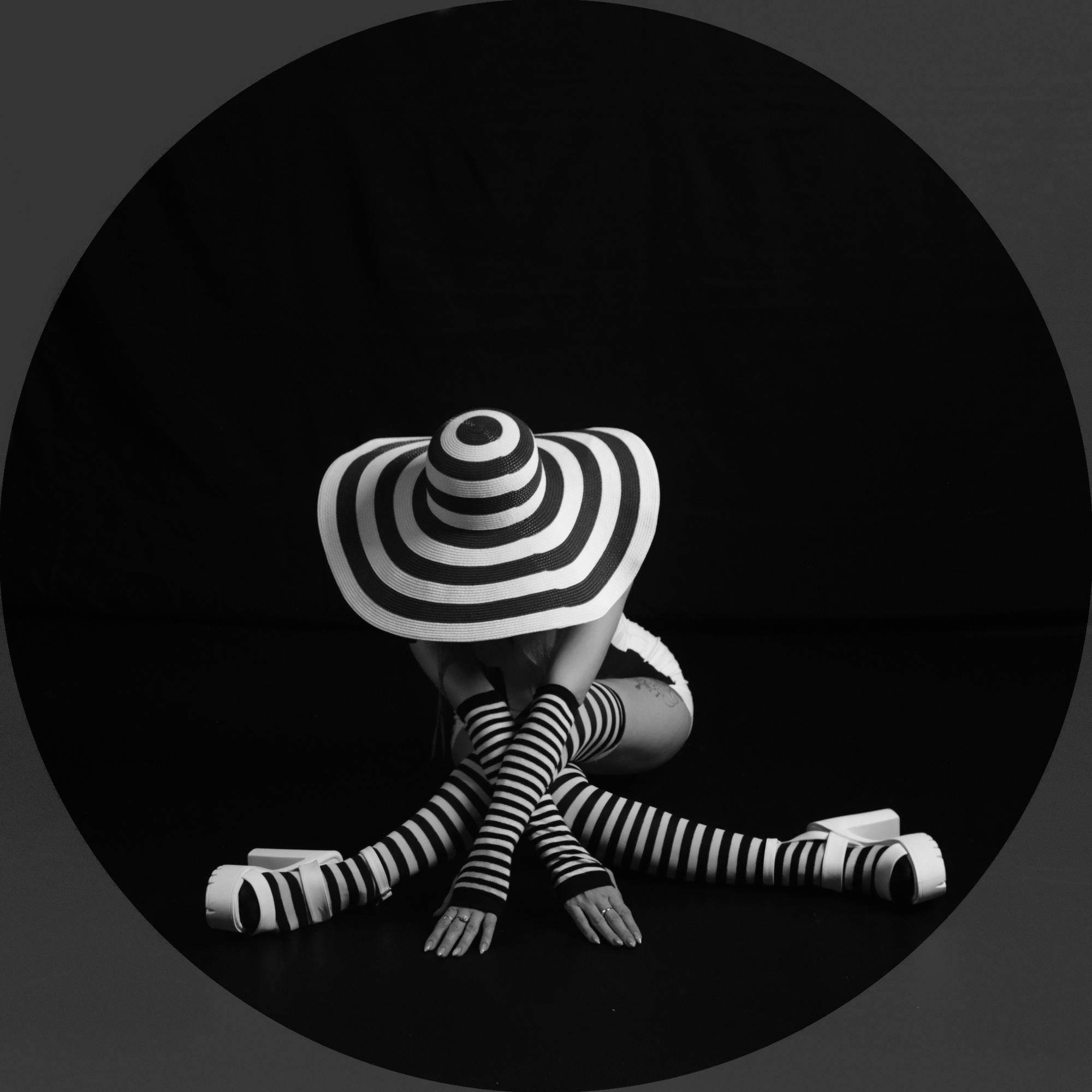
‘Alona’
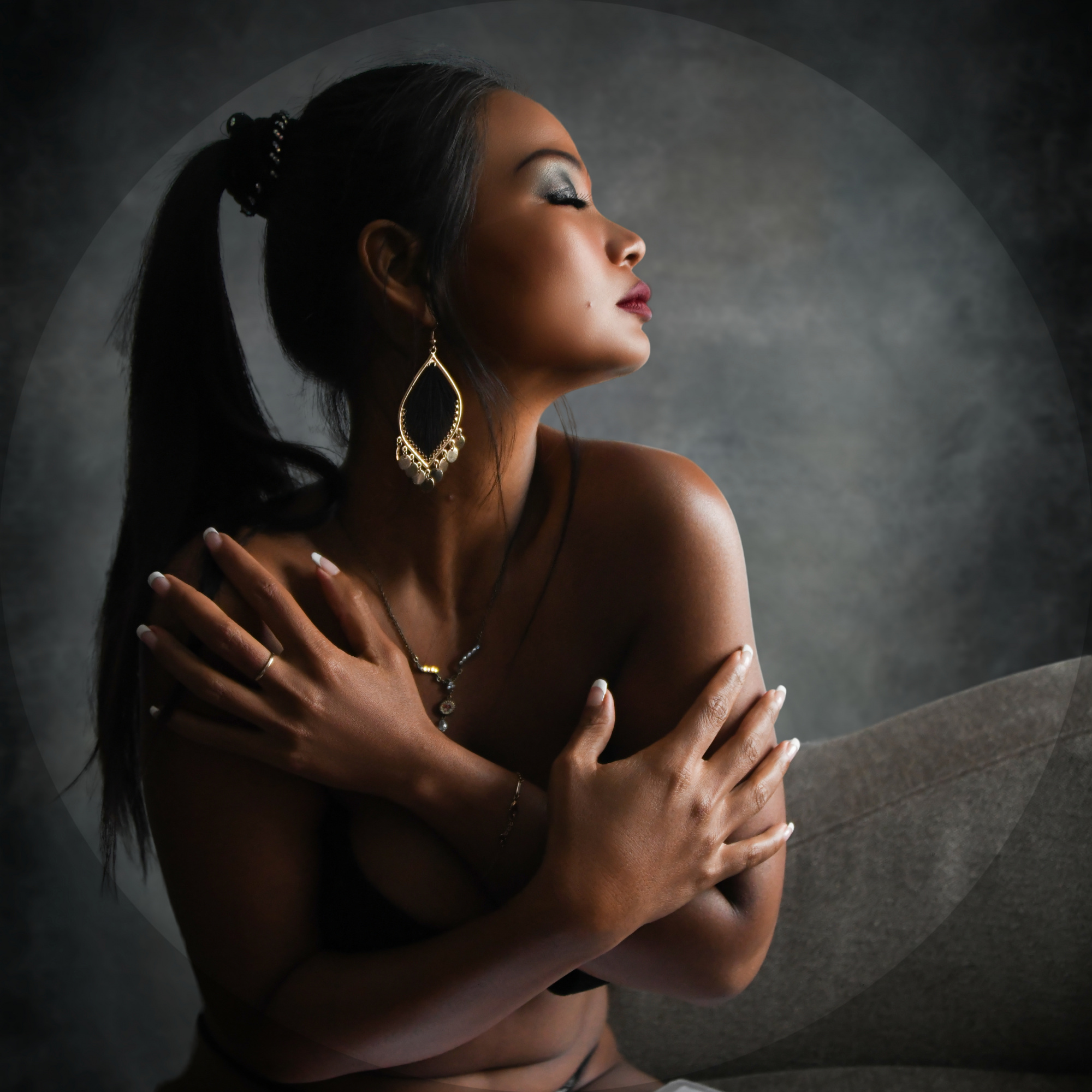
‘May’
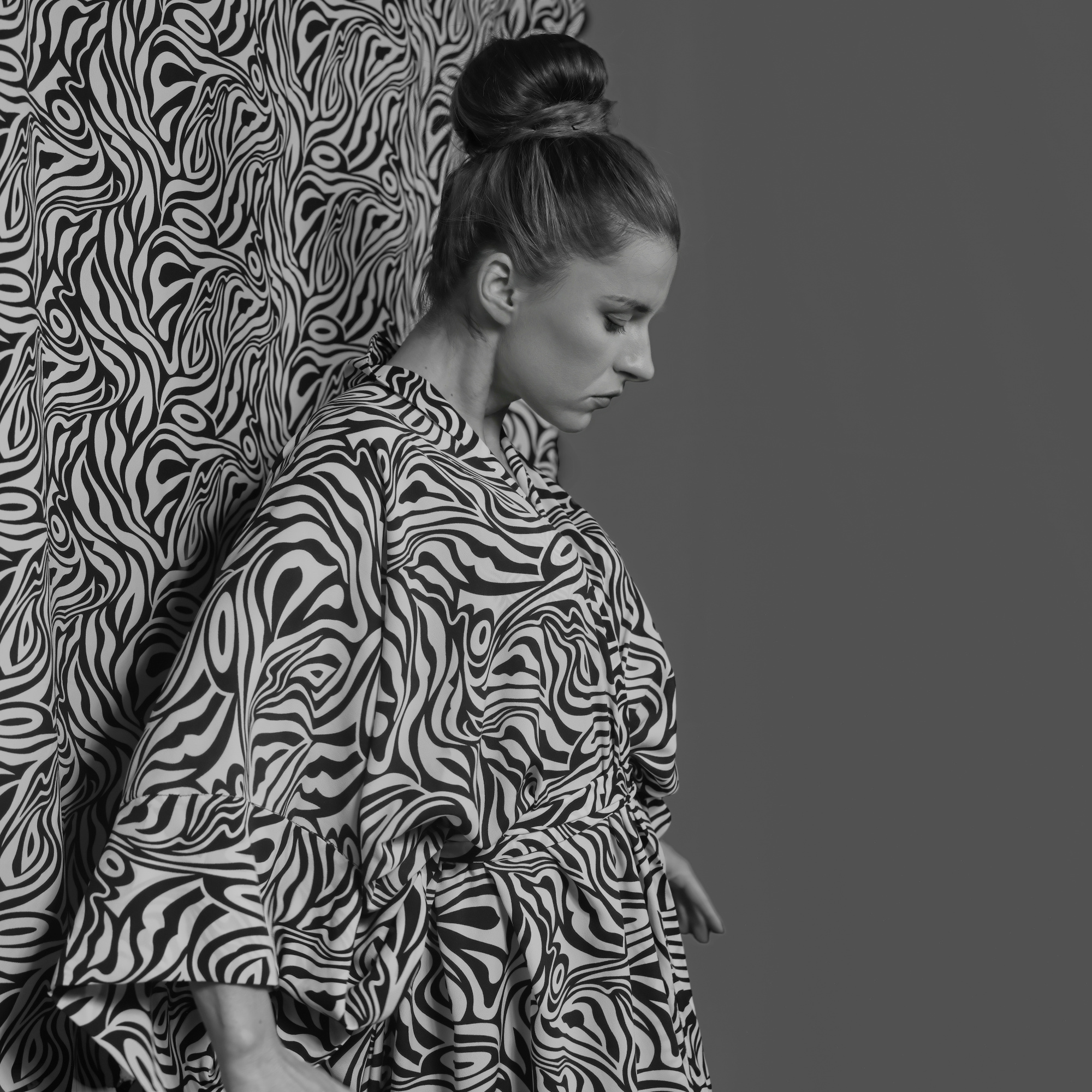
‘Izabella’
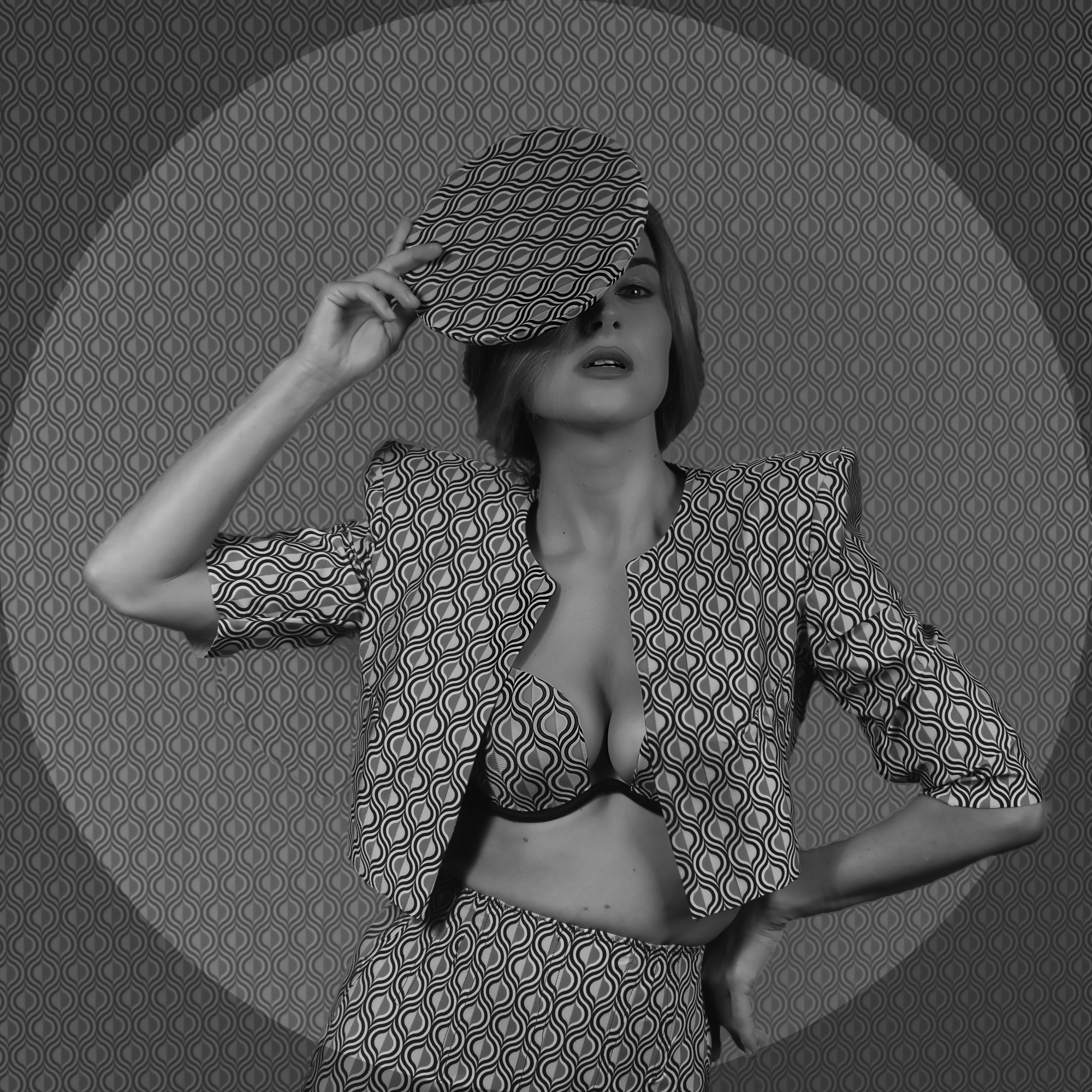
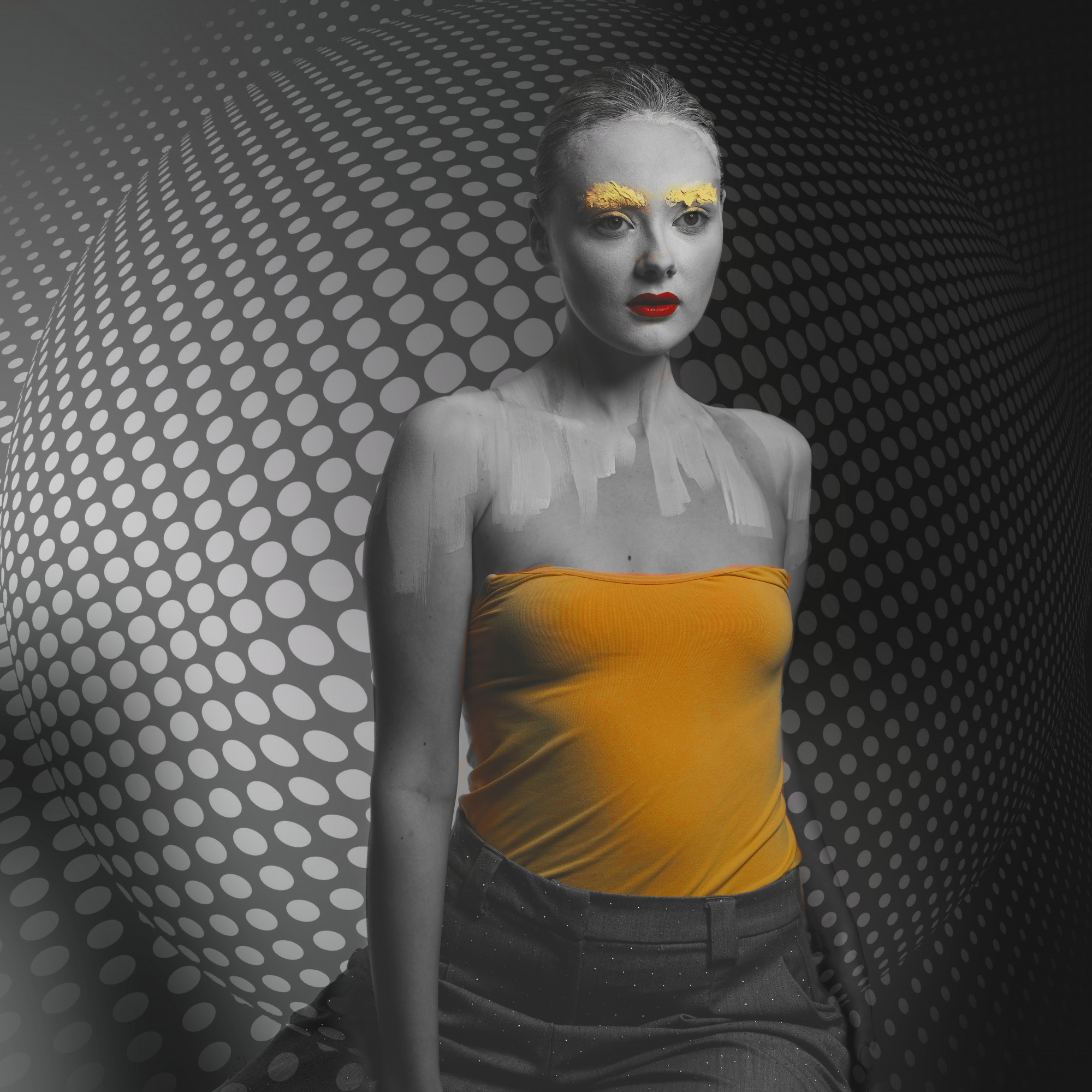
‘Daria’
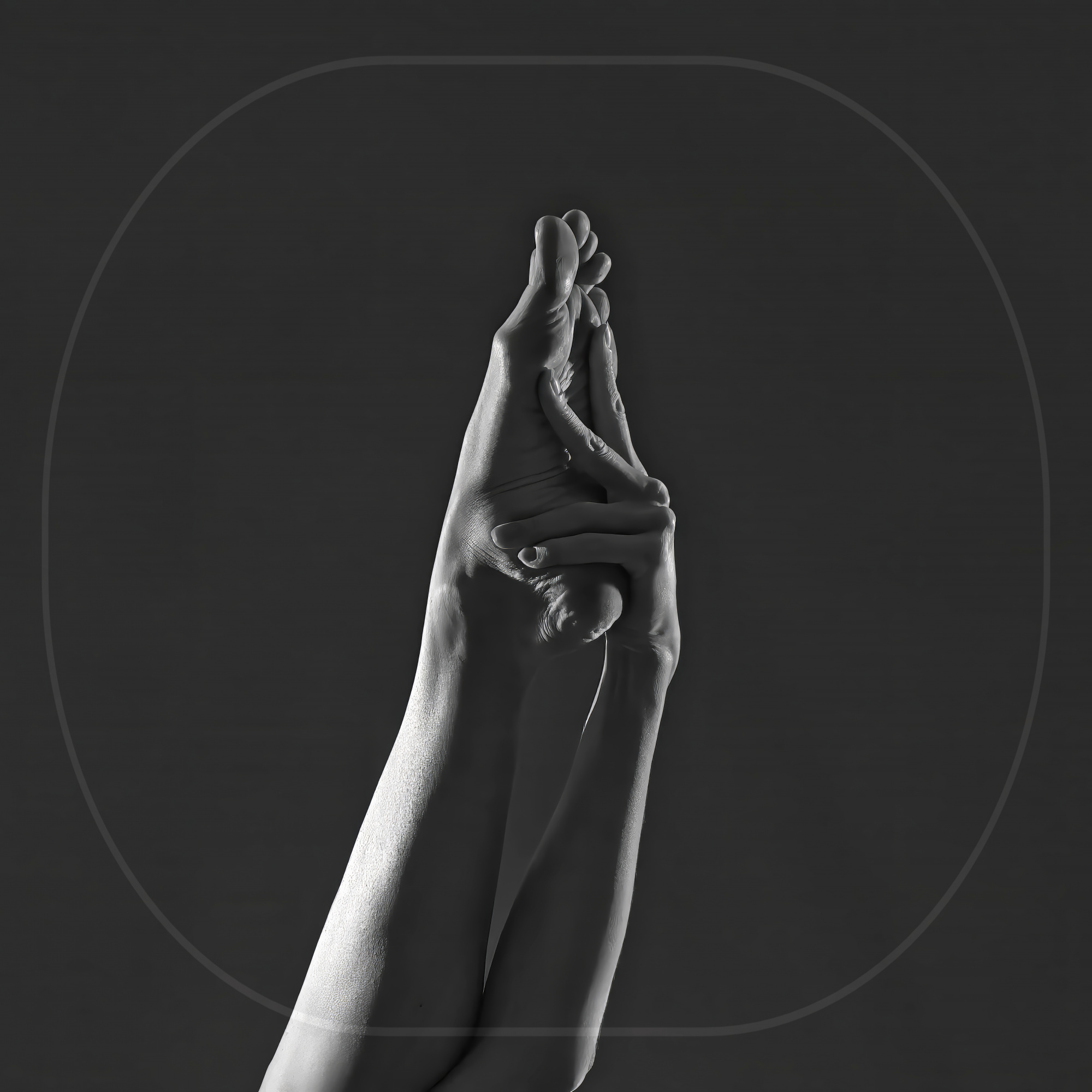 'Yaroslava'
 | Write |
 | yein PRO Engineering major, creativity, imagination, that's amazing. I saw that. Congratulations on your interview
Photographer Itzik Rabinovitz |
 | Amnon Sharabi PRO An impressive and inspiring collection. I always enjoy following your photographs. |
 | Yaping Zhang PRO 精彩纷呈,引人入胜的创意大片作品!祝贺您! |
 | Carla Van den Bossche PRO Great work congrats |
 | Jay Satriani PRO a work that inspires me, awakens my soul that was asleep for a moment and woke up from a dream,,, I haven't contributed to 1x for a long time because I don't have any equipment, this 1x raises my name for my work efforts, thank you. a work of expression from within that is visualized by something outside the body as an intermediary
|
 | Miro Susta CREW Wonderful most creative photo work, accept my congratulations Itzik |
 | Ralf Stelander FOUNDER Great vision! |
 | Eiji Yamamoto PRO Dear Itzik, thank you so much for the wonderful interview with the original and great photos! Dear Yvette, thank you so much as always! It is truly impressive and inspiring! |
 | Patrick Compagnucci PRO Striking work! I love your images. Warmest regards, Patrick |
 | Jorge Ribeiro Lume PRO These images makes a strong impression on me, and it helped me better understand what the author means when he refers to narrative and emotion. Congratulations! |
 | Itzik Rabinovitz PRO Thank you so much! I'm deeply touched by your comment. I'm especially happy to hear that the images helped communicate the narrative and emotion—that is exactly what I strive for. I truly appreciate your kind words. |
 | Gila Koller PRO Itzik Kol Hakavod !! Wonderful and interesting article accompanied by your impressive photographs. Congratulations dear friend! |
| Itzik Rabinovitz PRO Thank you so much, Gila
Your kind words mean a lot to me. I'm really happy you enjoyed the article and the photographs. I truly appreciate your support .
Warm regards,
Itzik |