


|
|
|
|
by Editor Colin Dixon
Edited and published by Yvette Depaepe, the 6th of Februay 2026
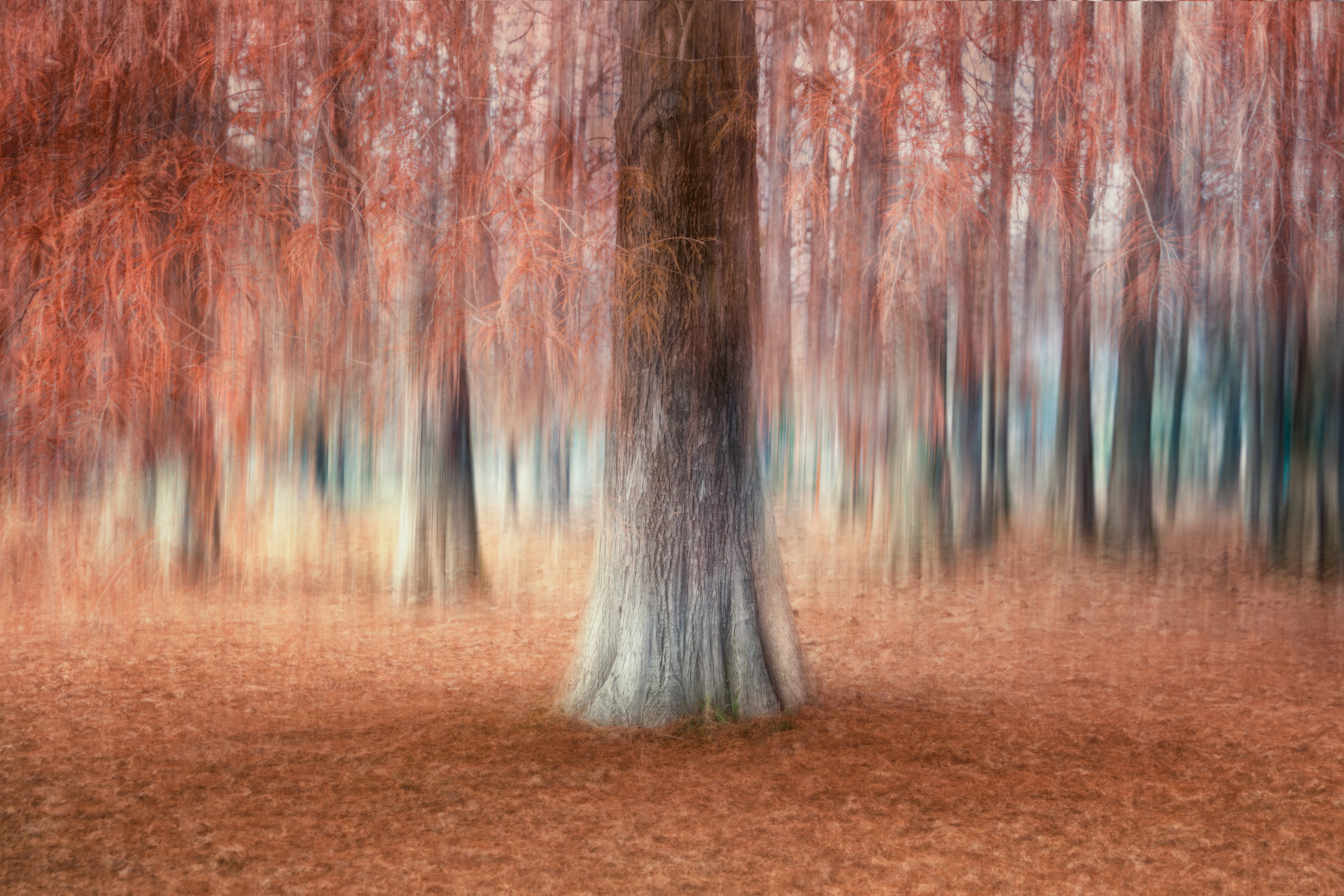
‘Autumn symphony’ by Fiorenzo Carozzi
The early life of intentional camera movement as an artistic device is not clear but it is now a mainstream technique in creative photography. However, it is still very much a type of photography that people love or hate.
One of the earliest advocates of ICM was Ernst Haas in the 1950’s.
Haas saw the potential of a slow shutter speed paired with movement of the subjects to produce images with bursts of colour.
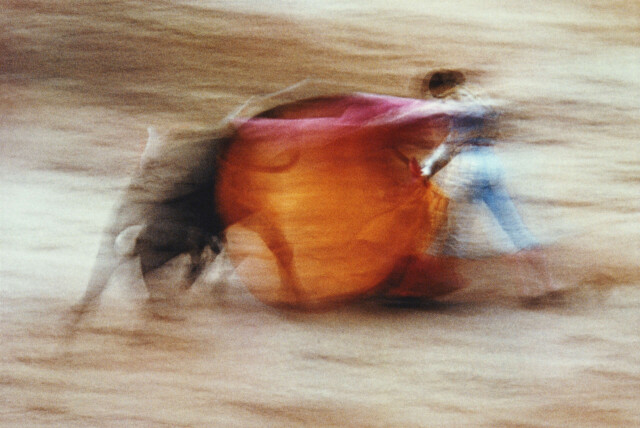
Of course, we can just look at the great artists of 1X and their use of ICM to see this is now a well-practiced, artistic form of photography.
What Makes a Successful ICM Photograph?
The objective in making an ICM photograph is to create a unique artistic rendering of a subject or scene through the movements of the camera over an extended exposure by a photographer. Intentional Camera Movement is made up of unending variables - so as in all forms of photography, an ICM image can be evaluated by a broad range of successes.
Ultimately, as with most photography, it is up to the individual photographer or viewer to evaluate the success of an ICM photograph for themselves.
But in general terms, ICM photographers seek out an acceptable exposure blended with the motion blur of a subject or environment, creating a new visual perspective. Colour and/or tone, texture, space, balance, form, abstraction, shape, detail, and uniqueness are all additional considerations that contribute to the success of an ICM image as a whole.
There is, as with all genres of photography, a new element and an ever-expanding form of ICM which is using more and more creation via software but in the end, this still produces the artistic effect started many years ago by the pioneers of the genre.
We are blessed on 1x with some wonderful creative photographers in the ICM field and here is some of their work.
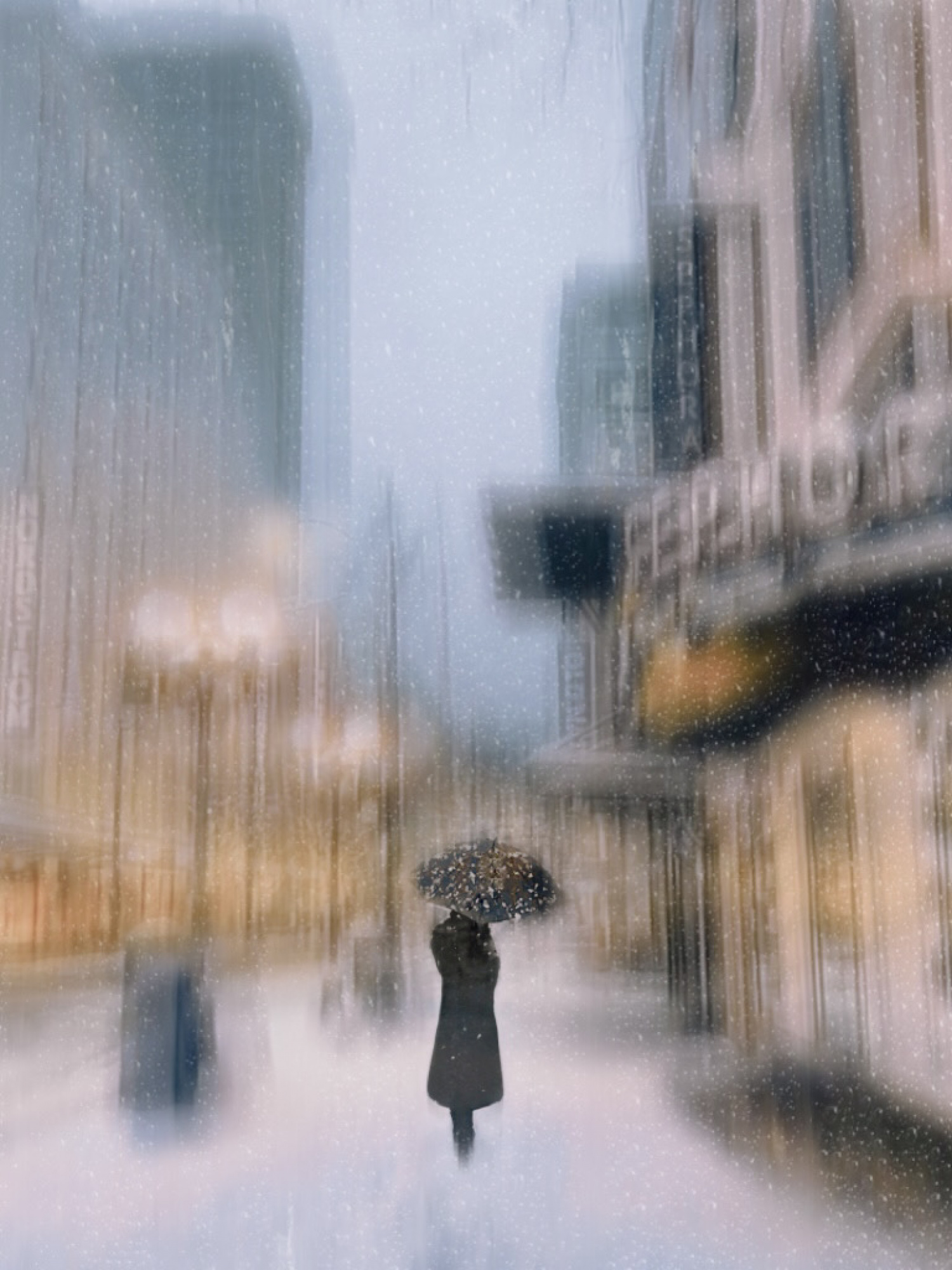
‘City’ by Weiwei
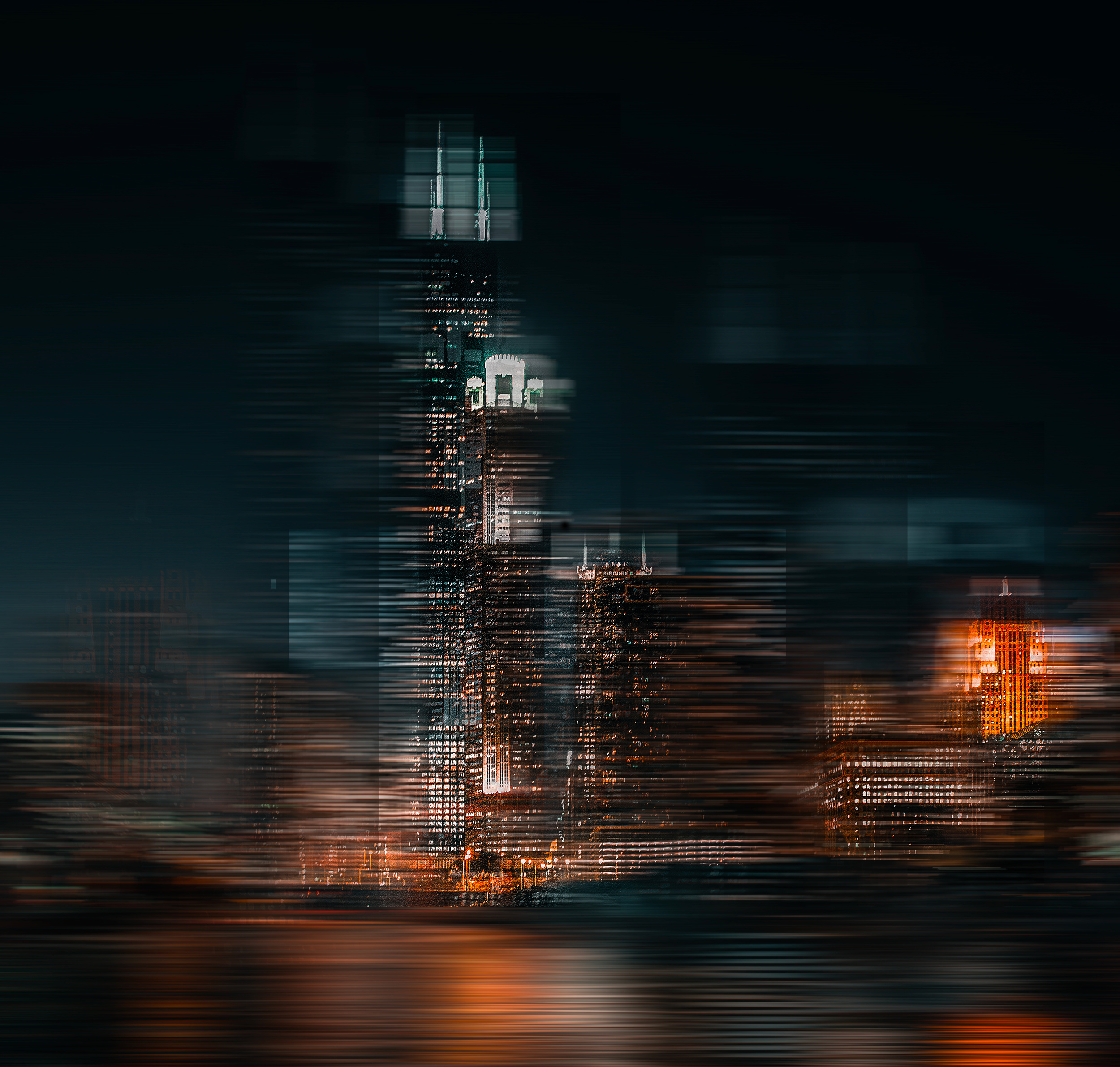
‘Chicago’ by Carmine Chiriacò
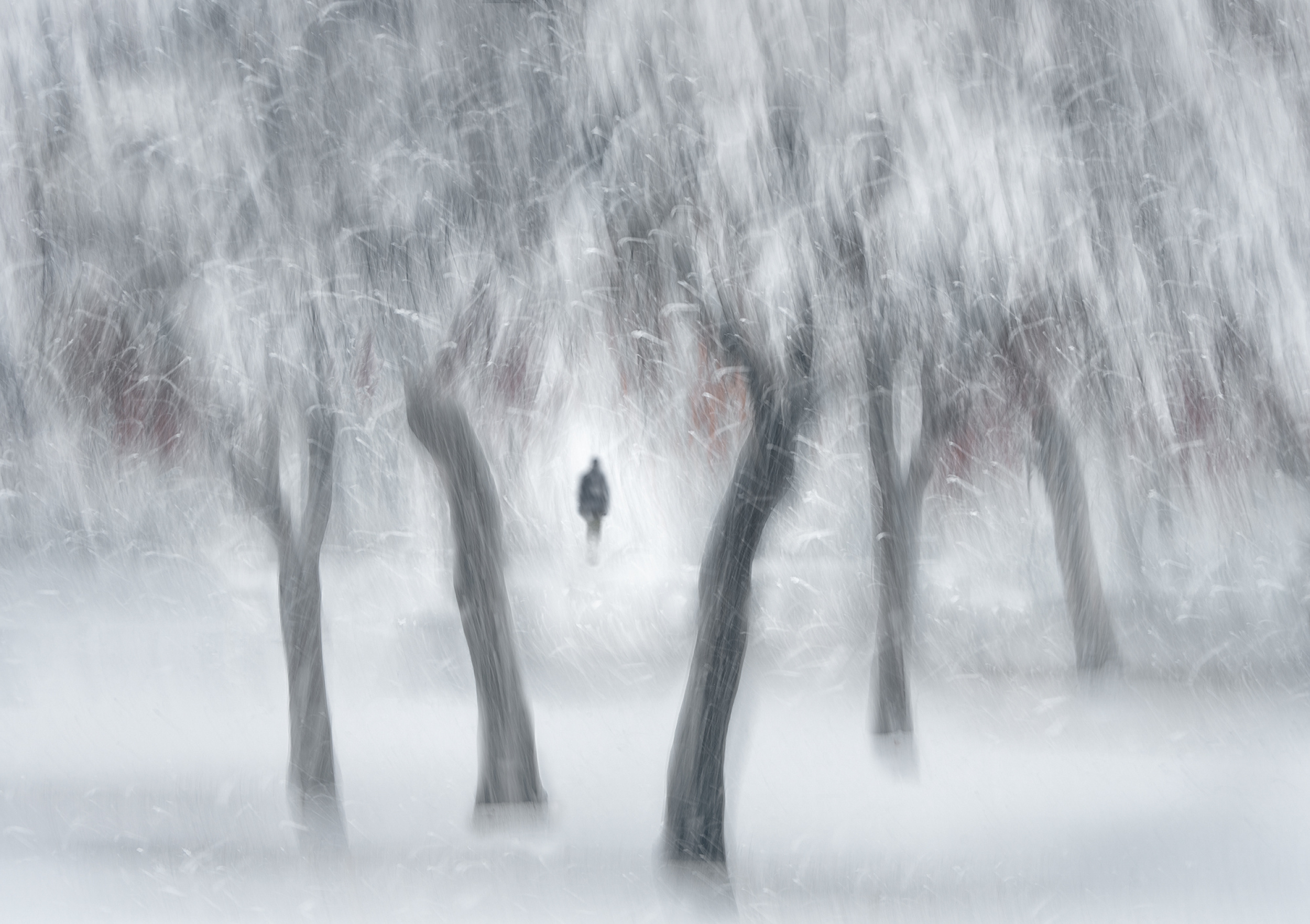
‘Flying snowflakes’ by Aidong Ning
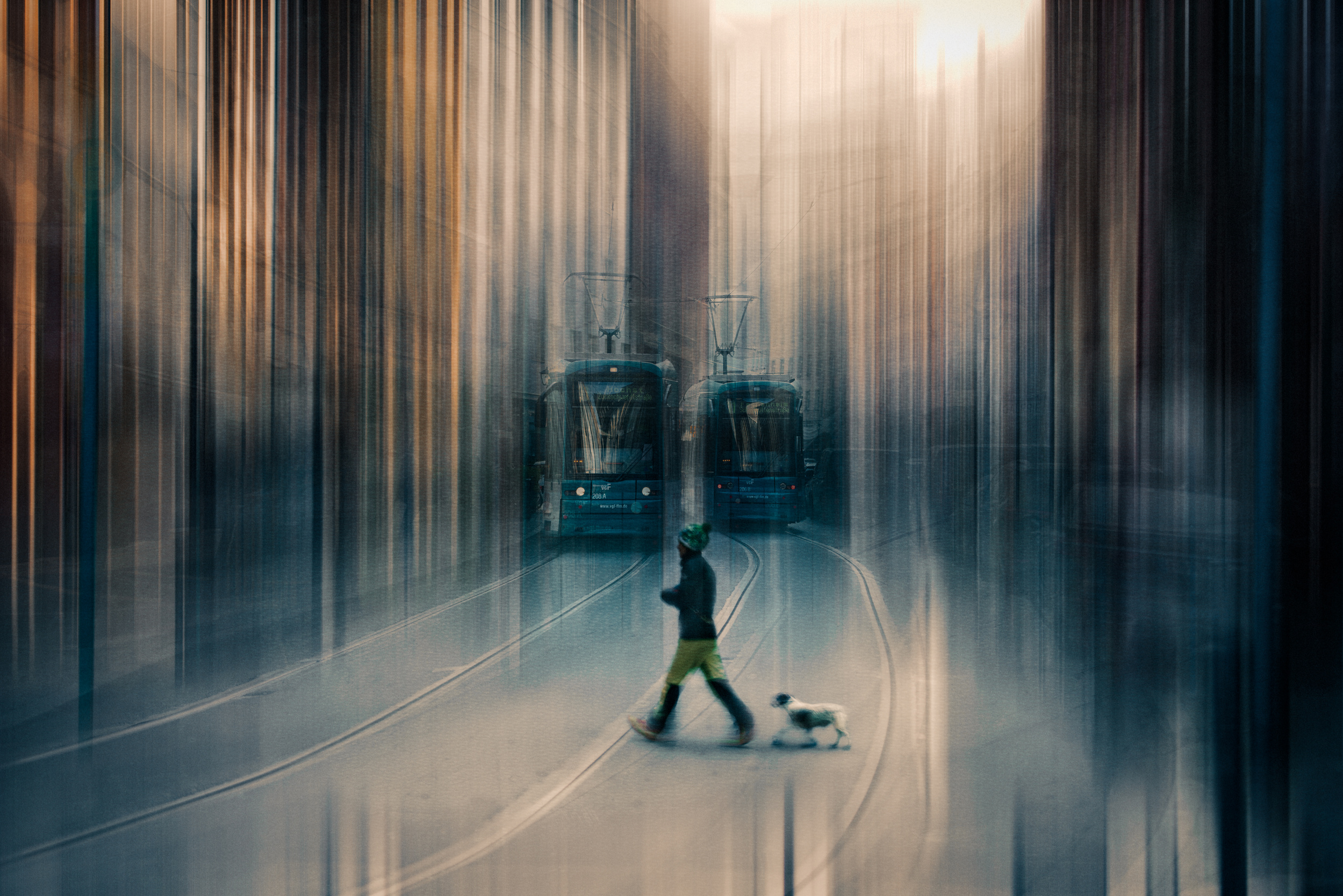
‘Urban Activities (III)’ by Heike Willers
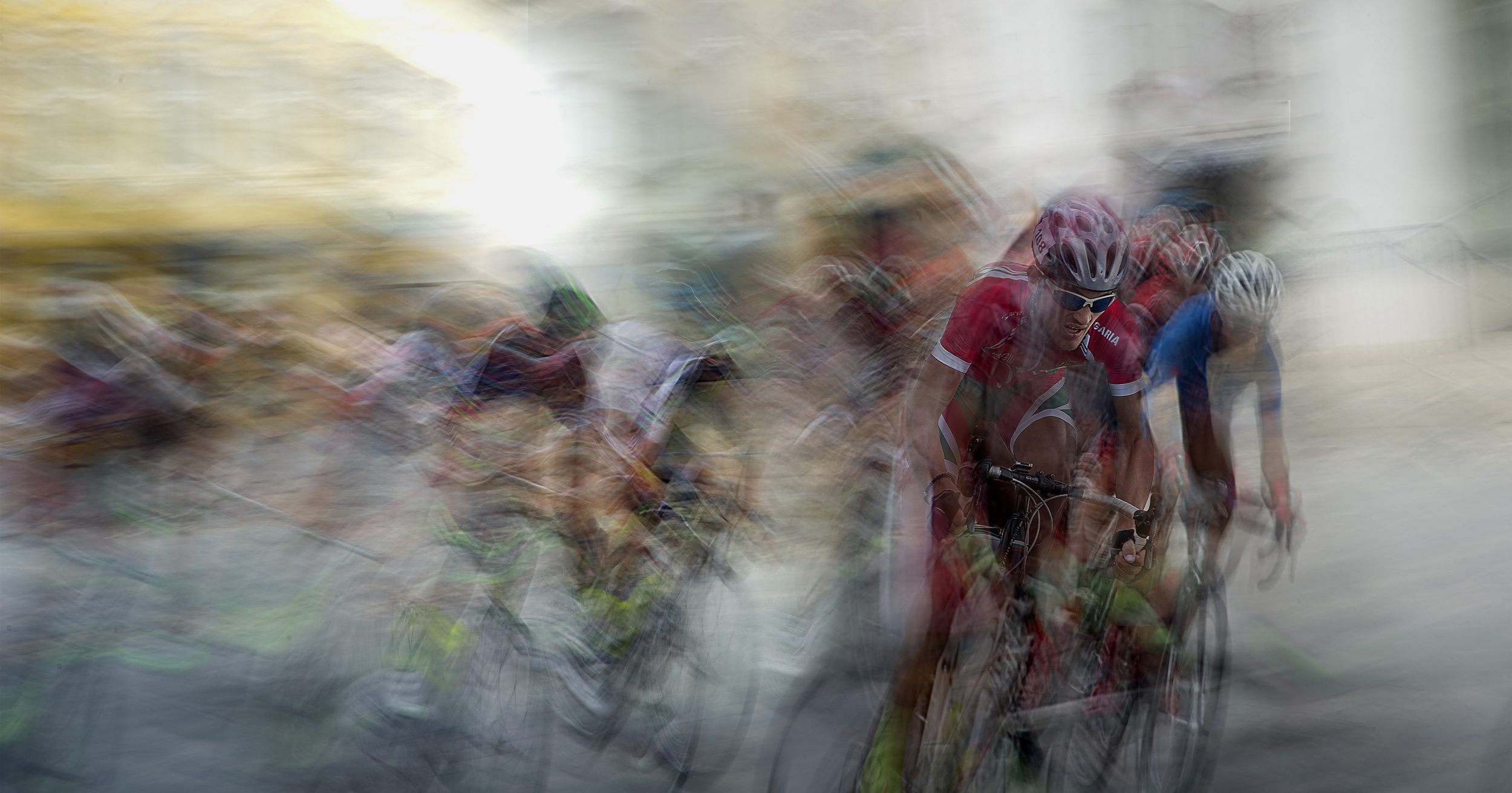
‘Race’ by Milan Malovrh
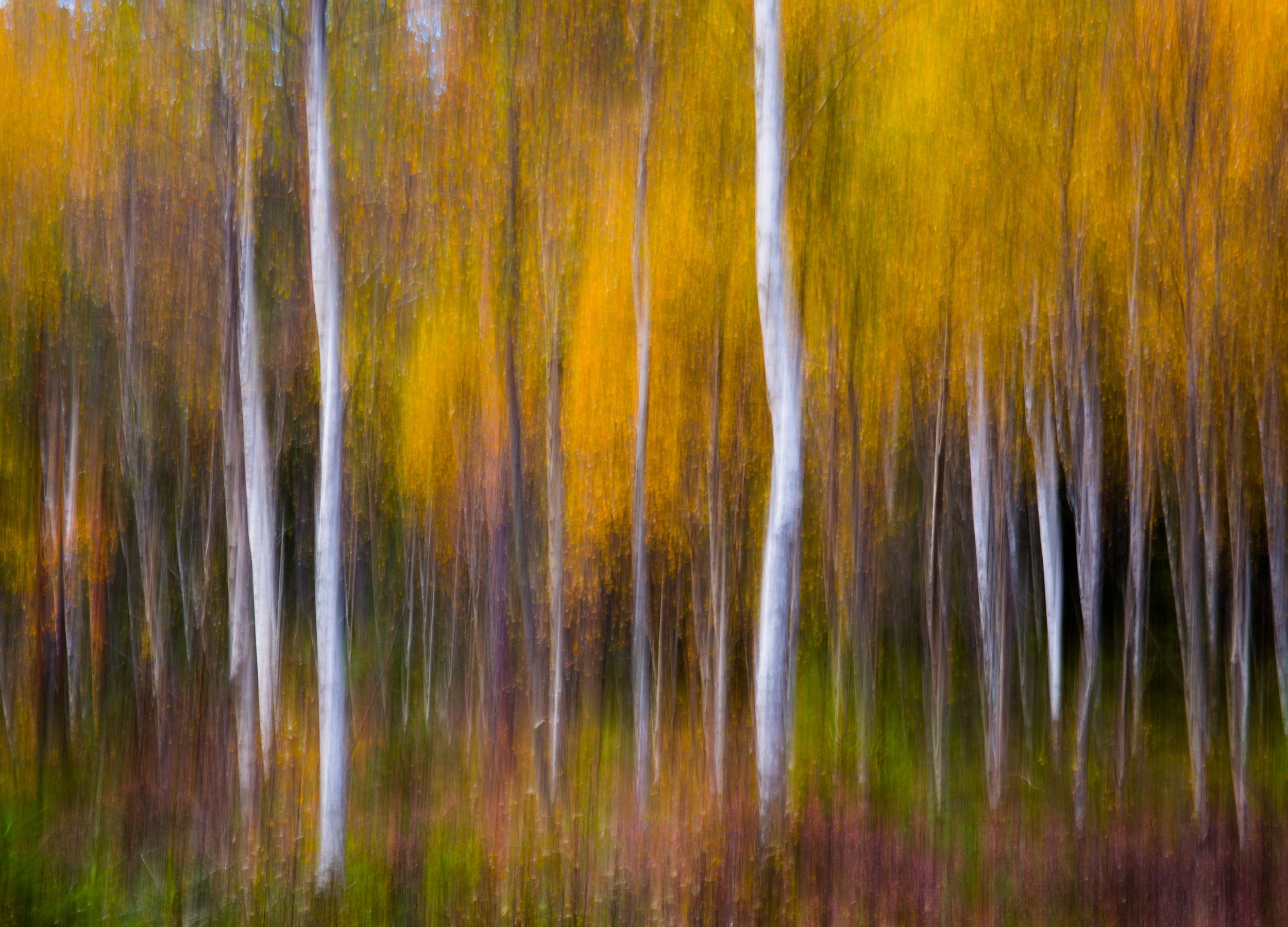
‘Abstract Fall’ by Andreas Christensen
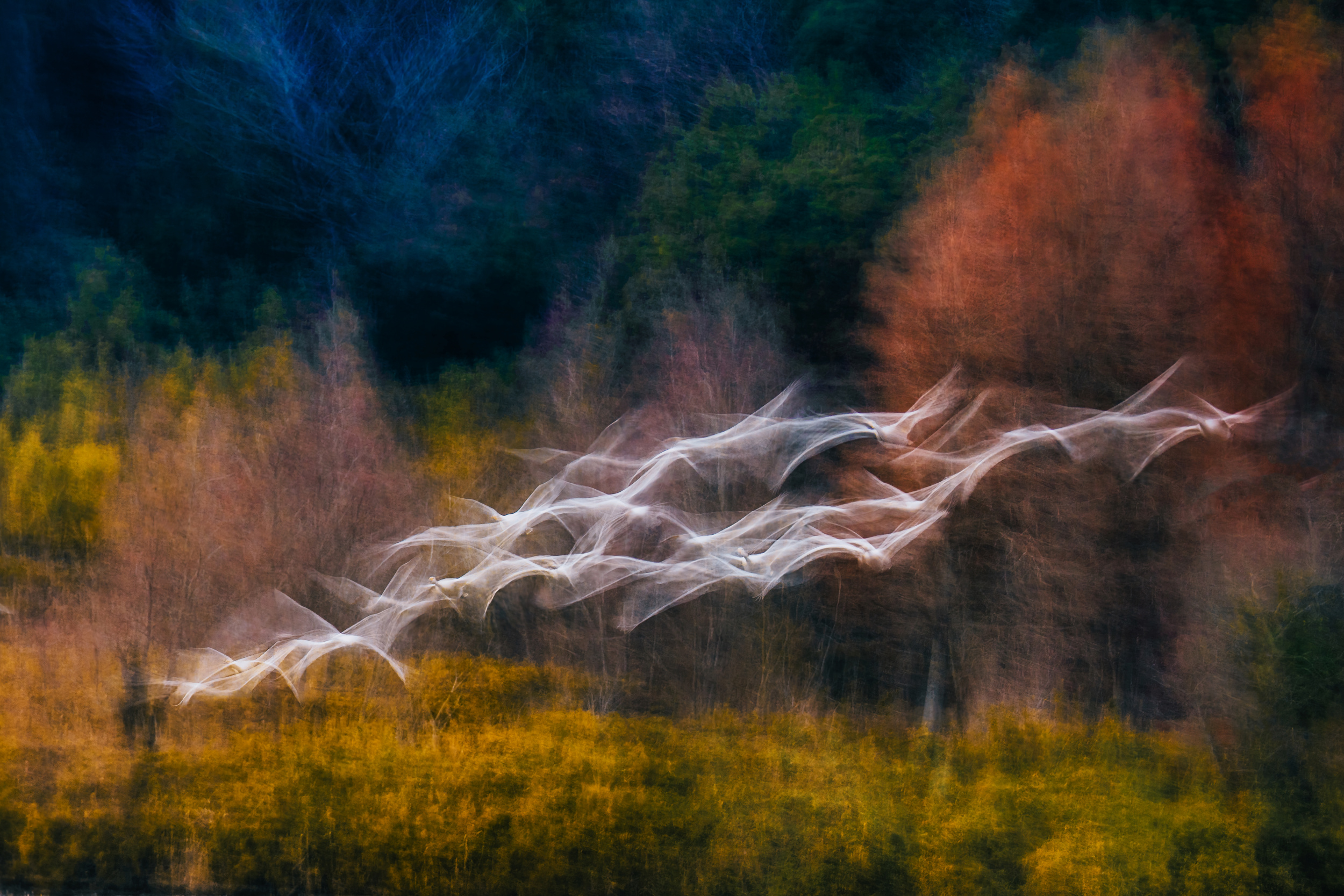
‘Swan’s Syncopation’ by Yasutaka Sameshima
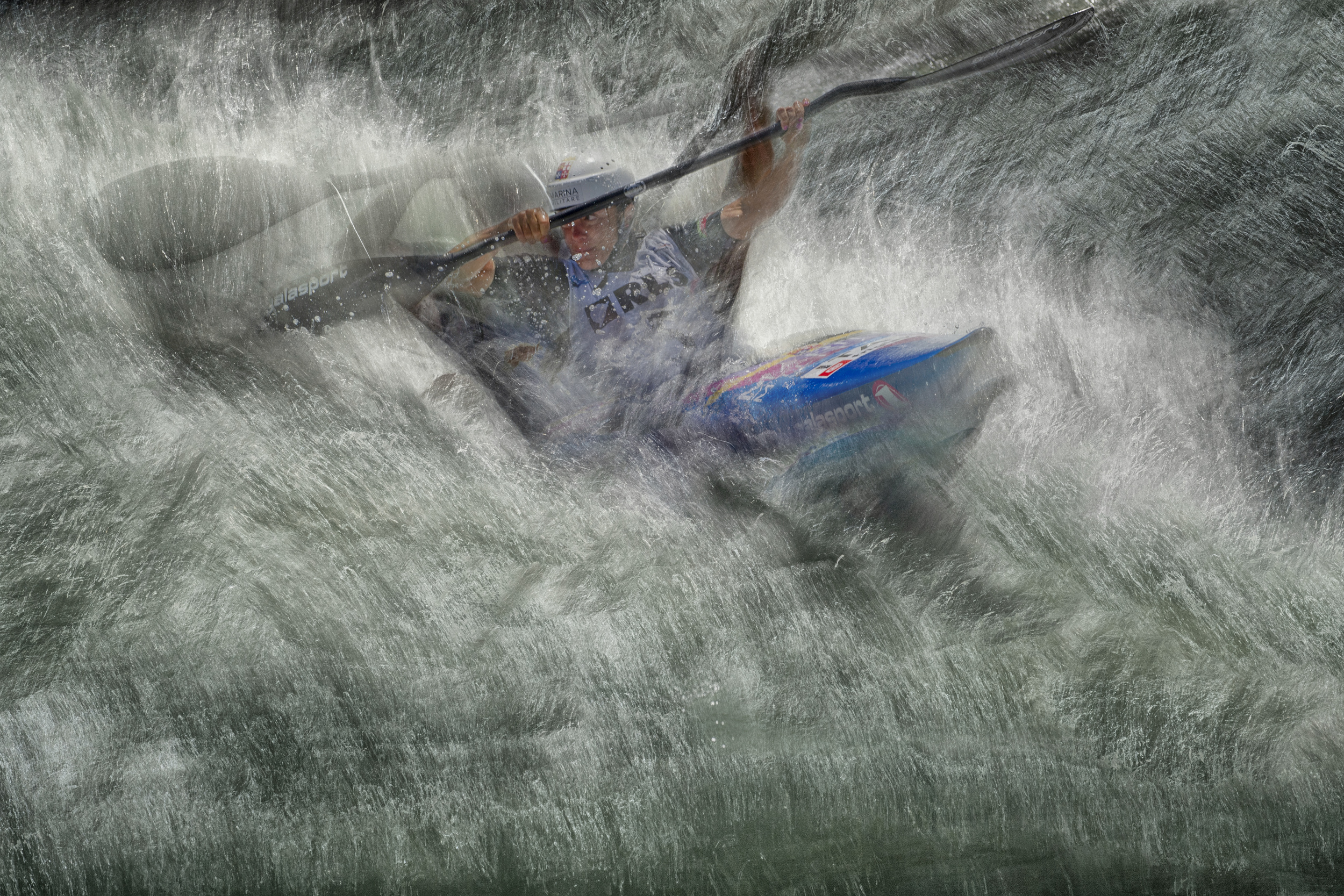
‘Splash’ by Milan Malovrh
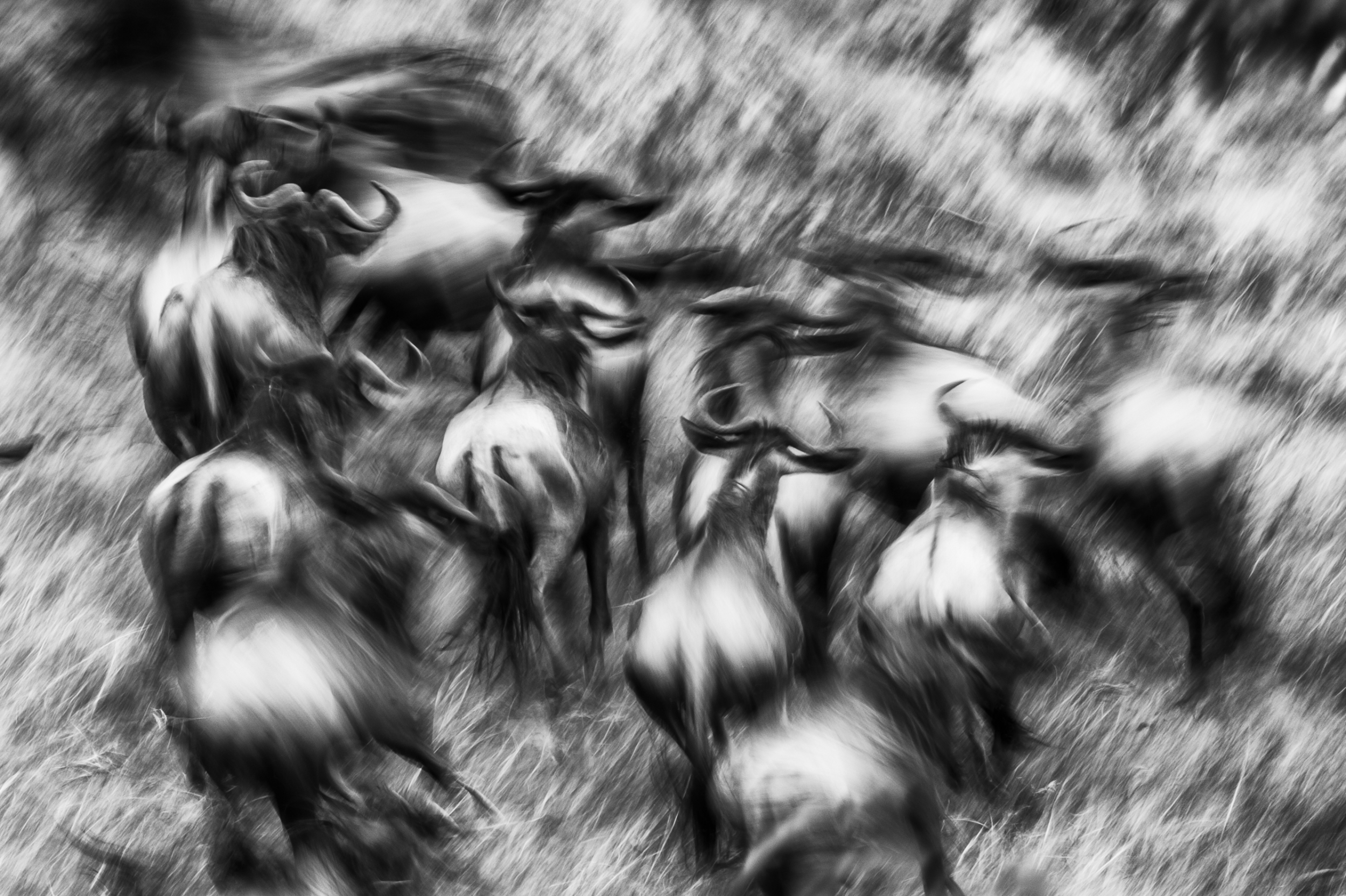
‘Wild Run’ by Mohammed Alnaser
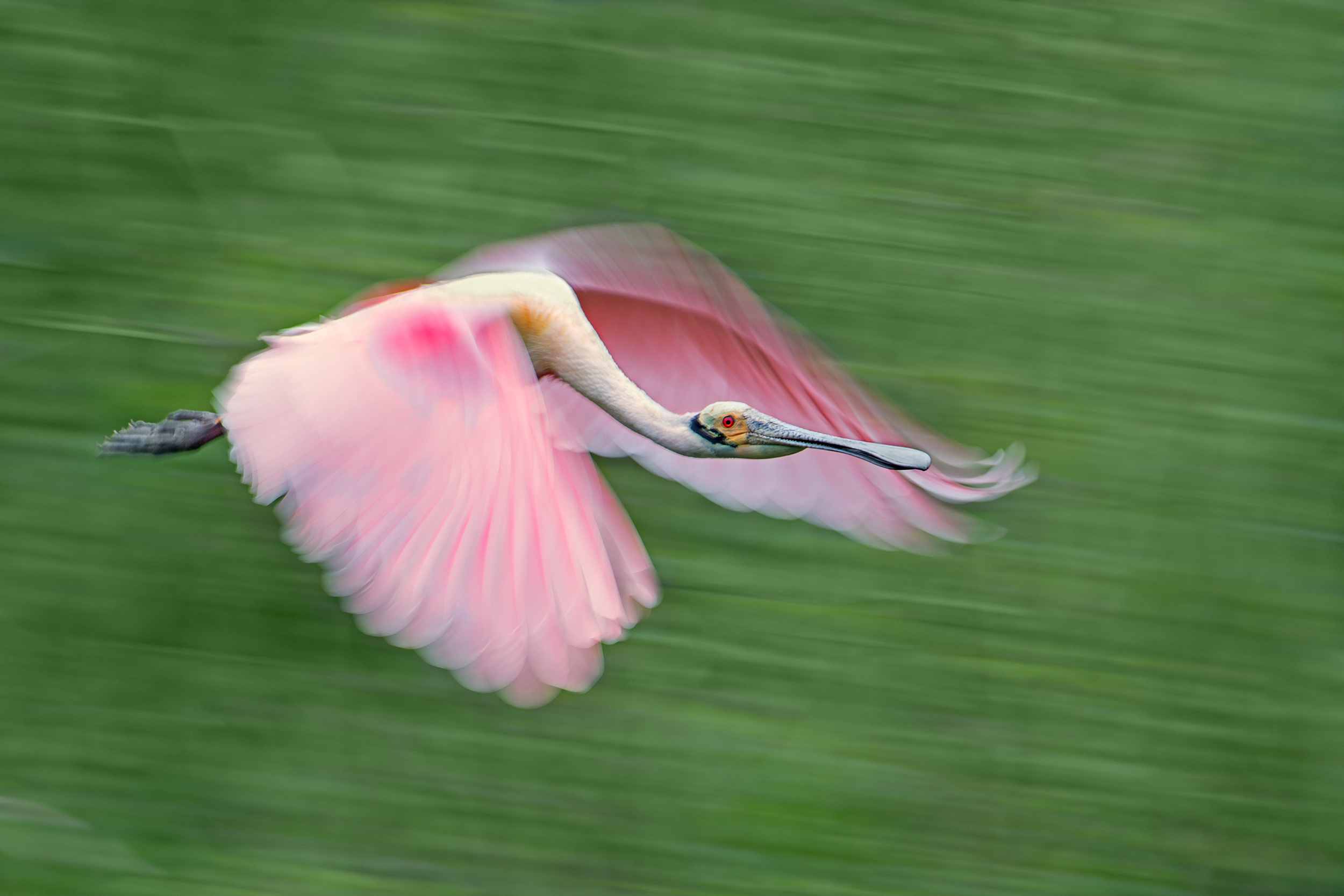
‘Pink and Green’ by Cheng Chang
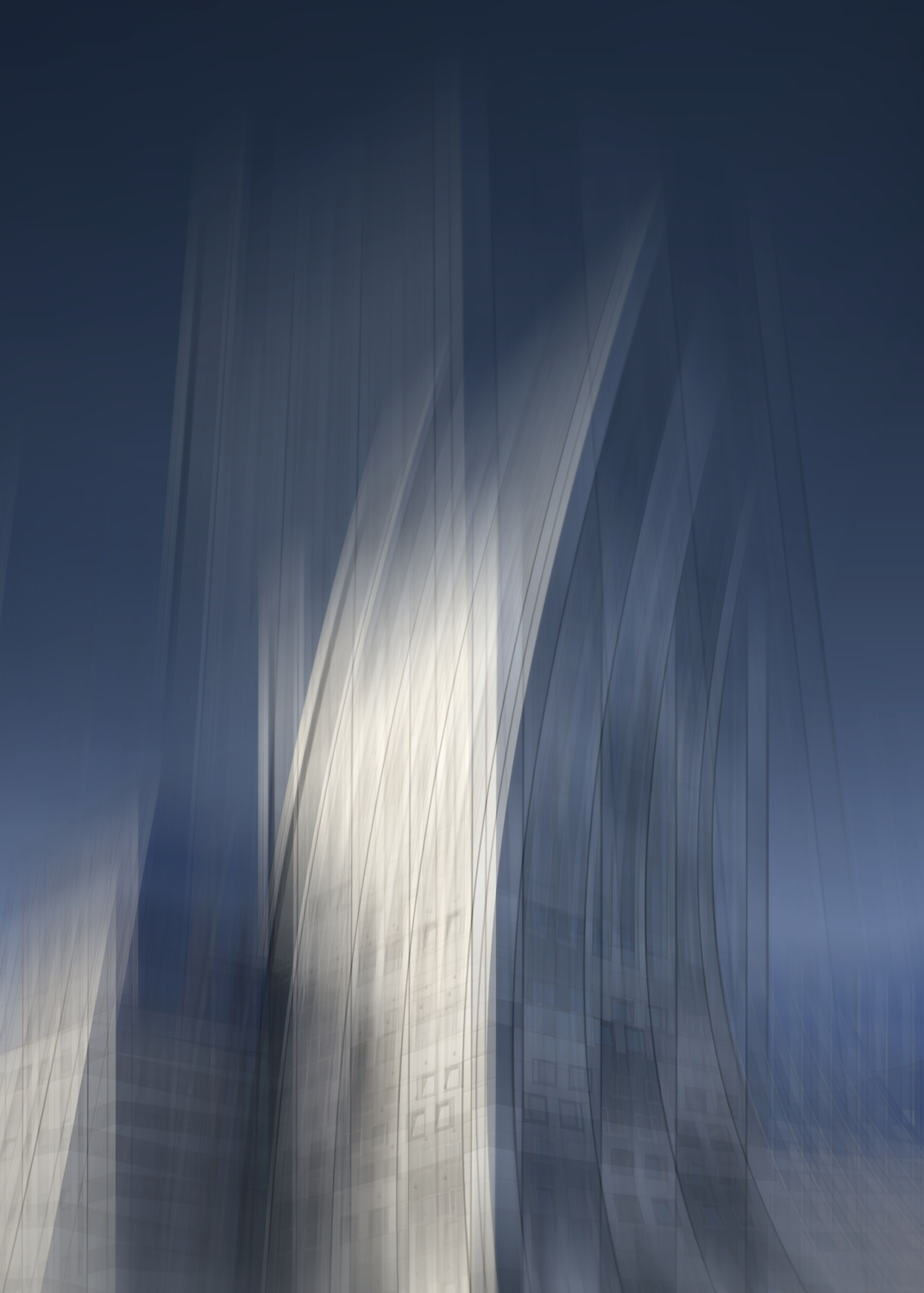
‘Twisted tower’ by aRRO
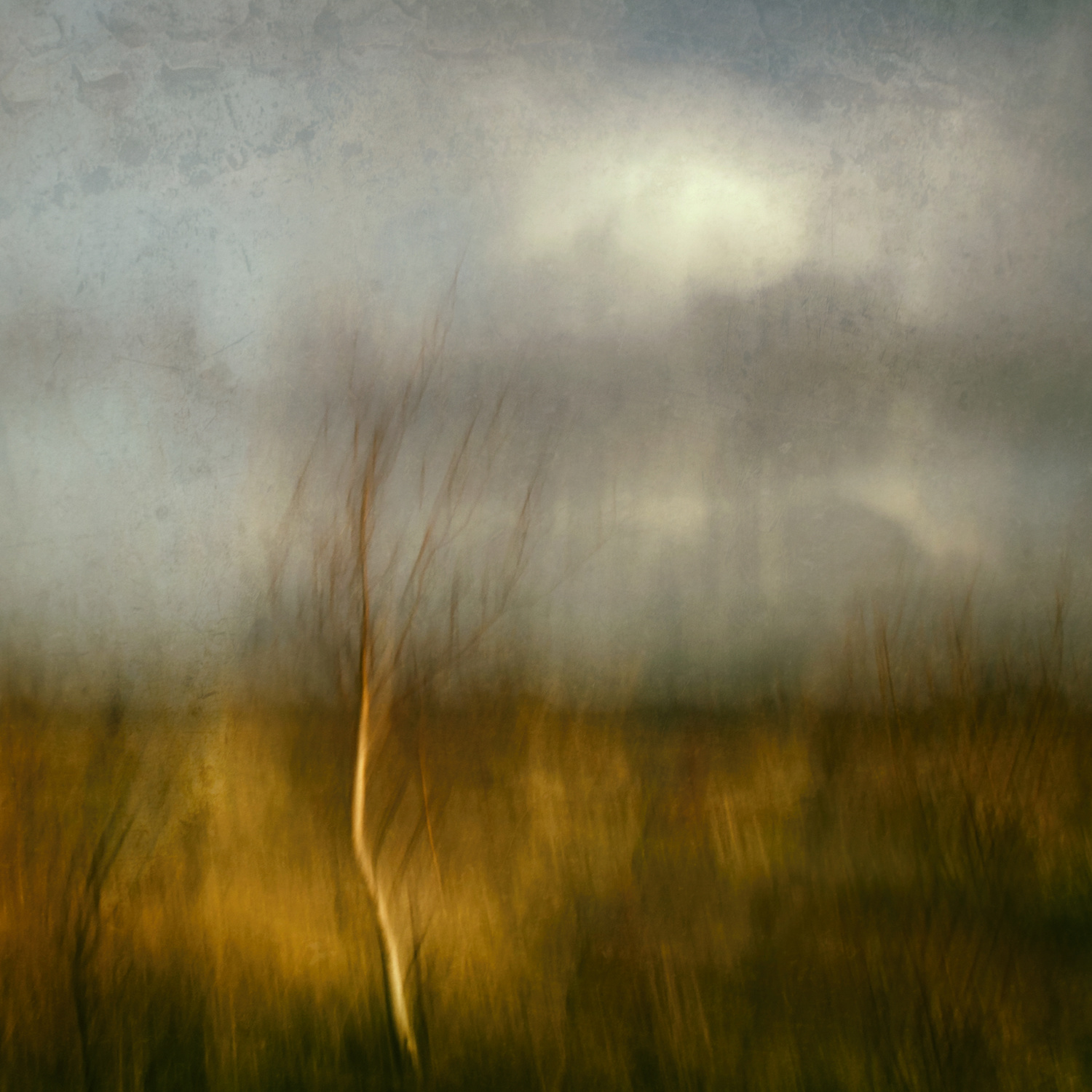
‘Dancing Tree’ by Jacqueline van Bijnen
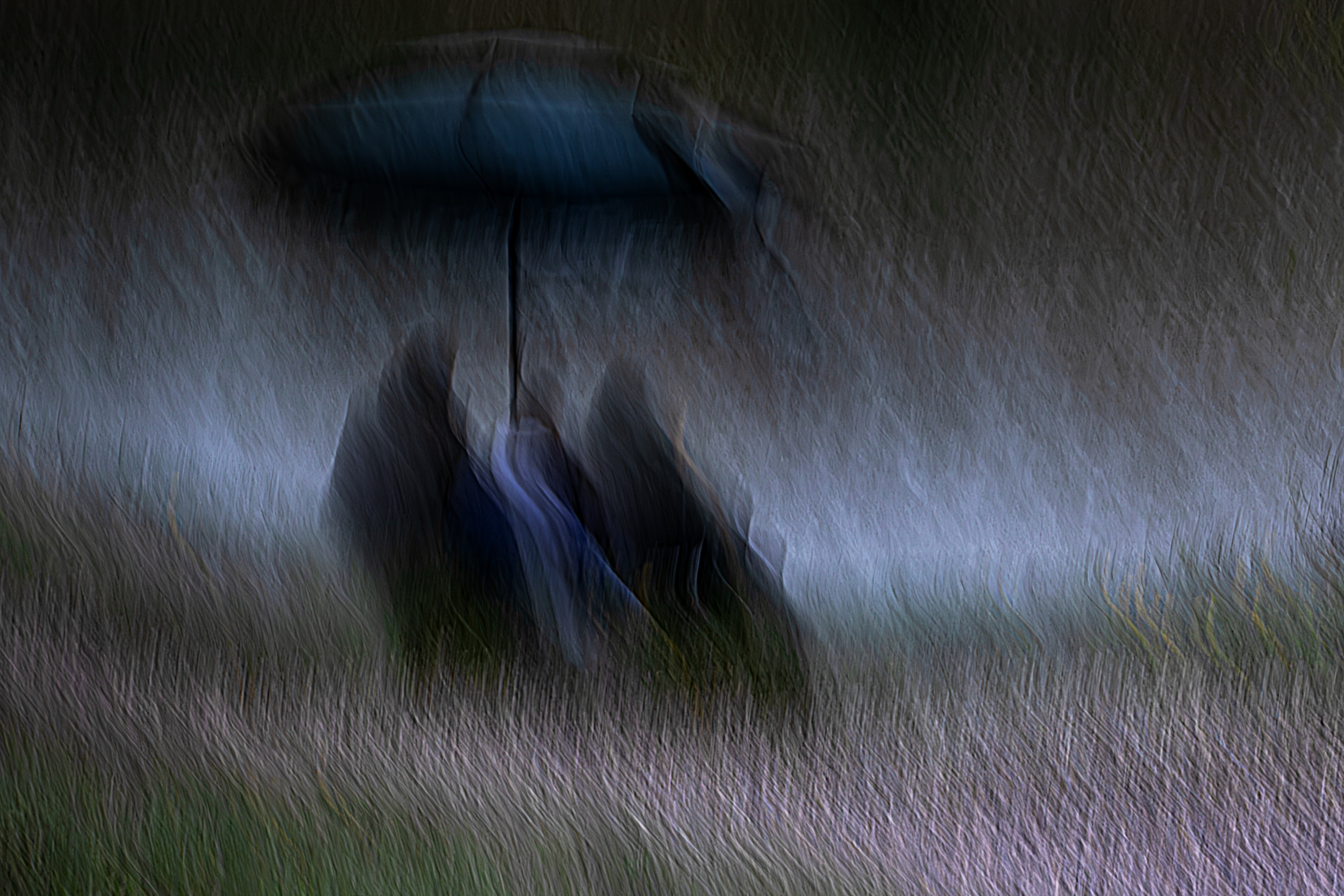
‘Rainy day.’ By Roswitha Stelzer
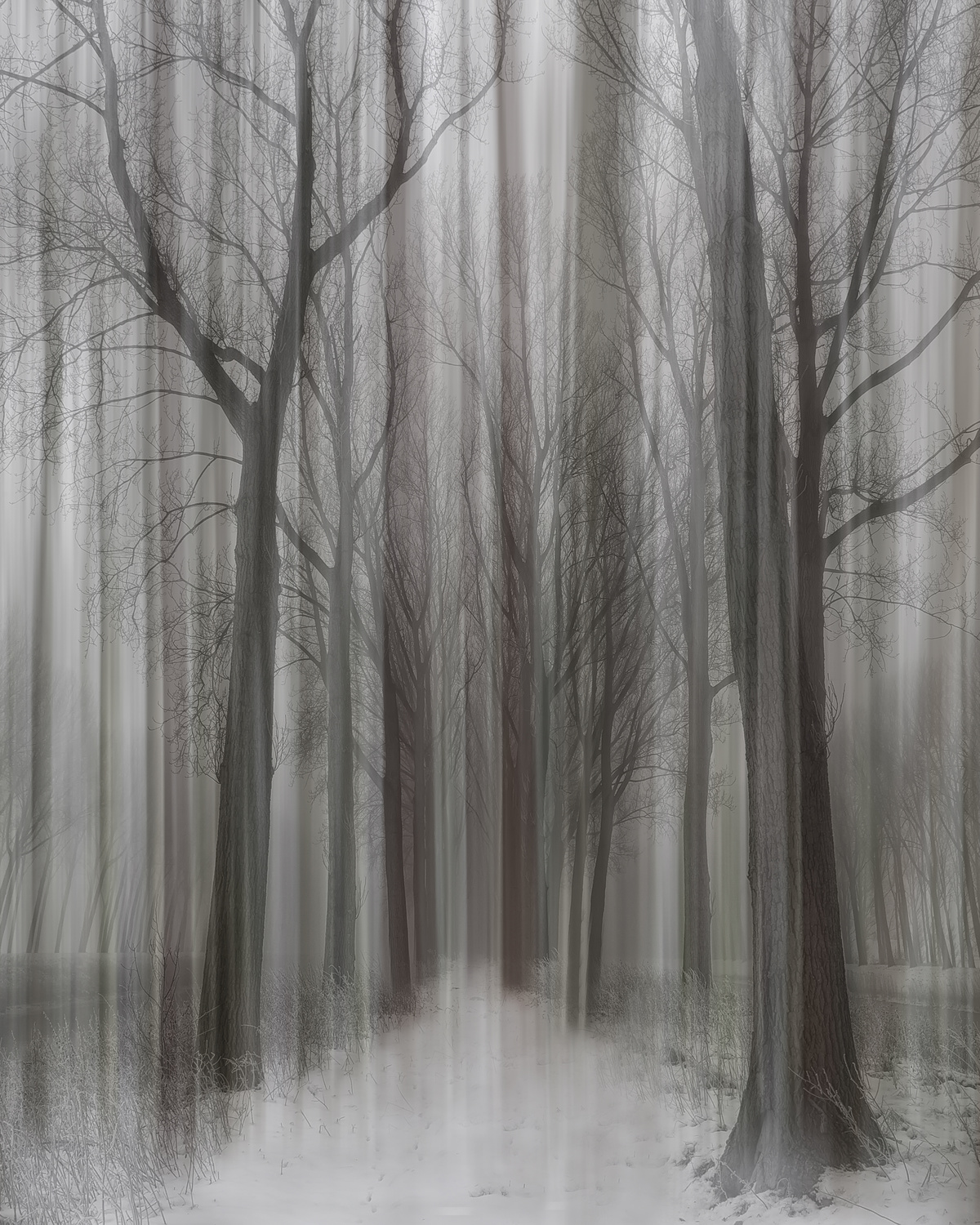
‘Winter Walz’ by Yvette Depaepe
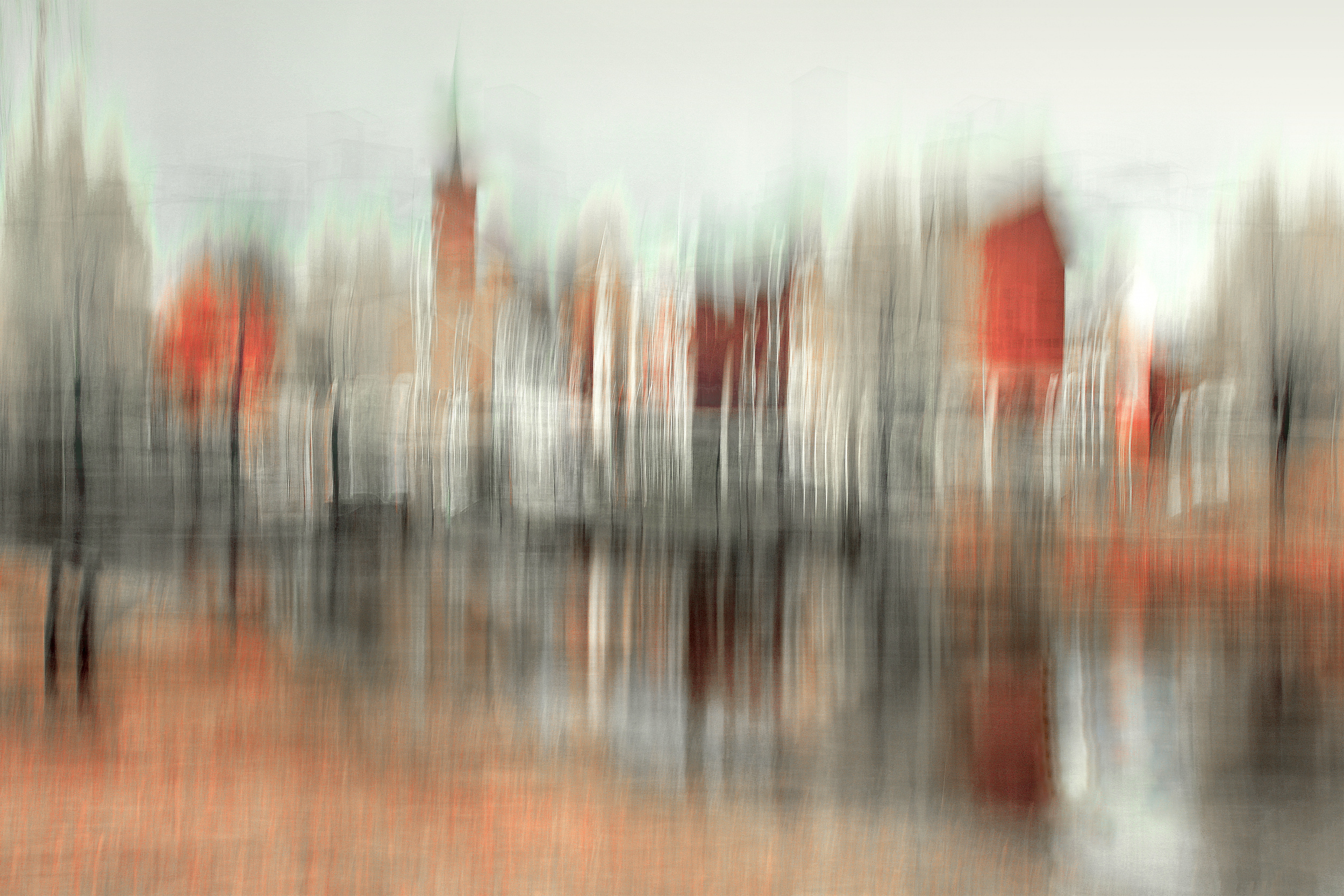
‘Red tower city’ by Christina Sillen
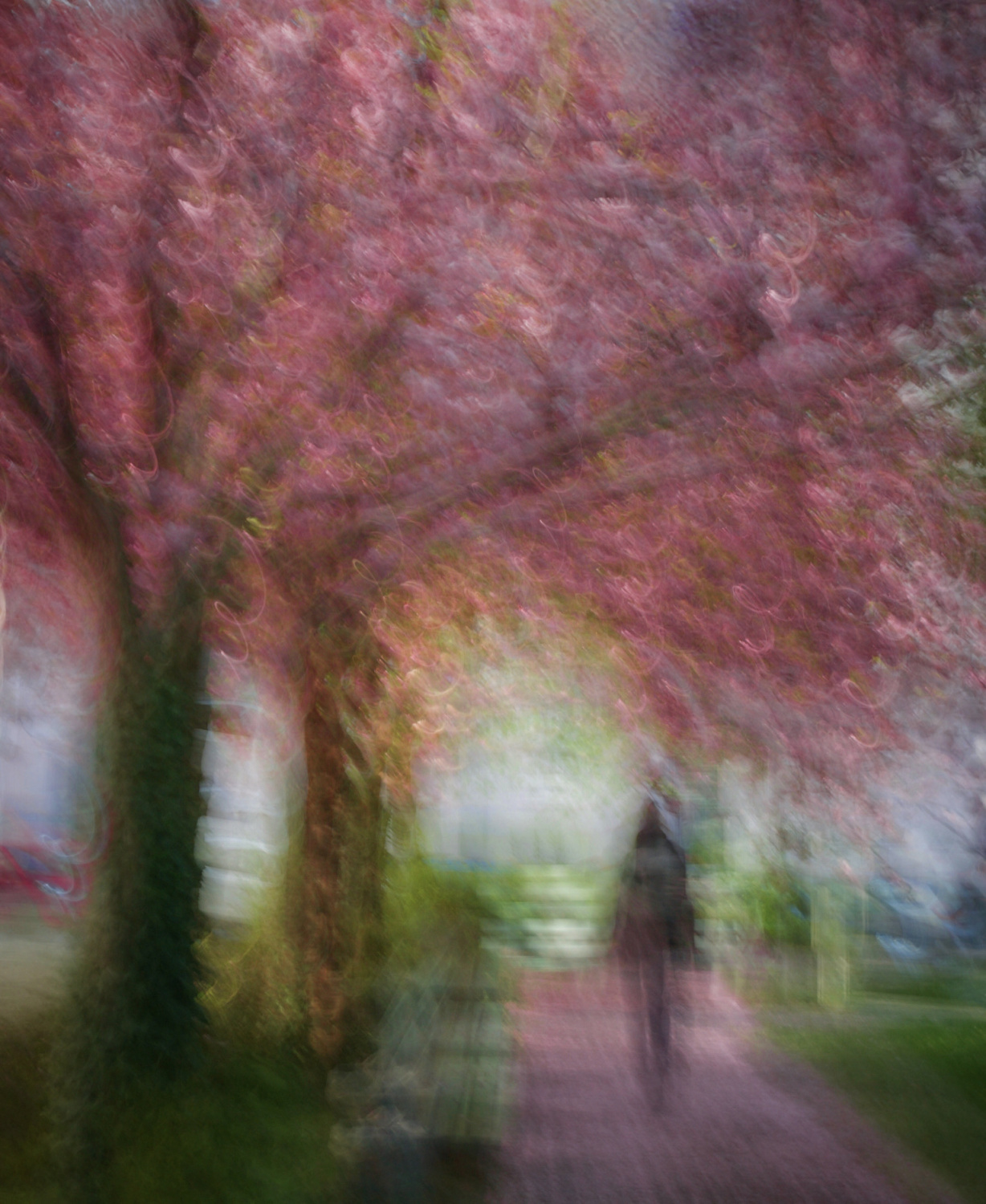
‘Like a painting’ by Veronika K Ko
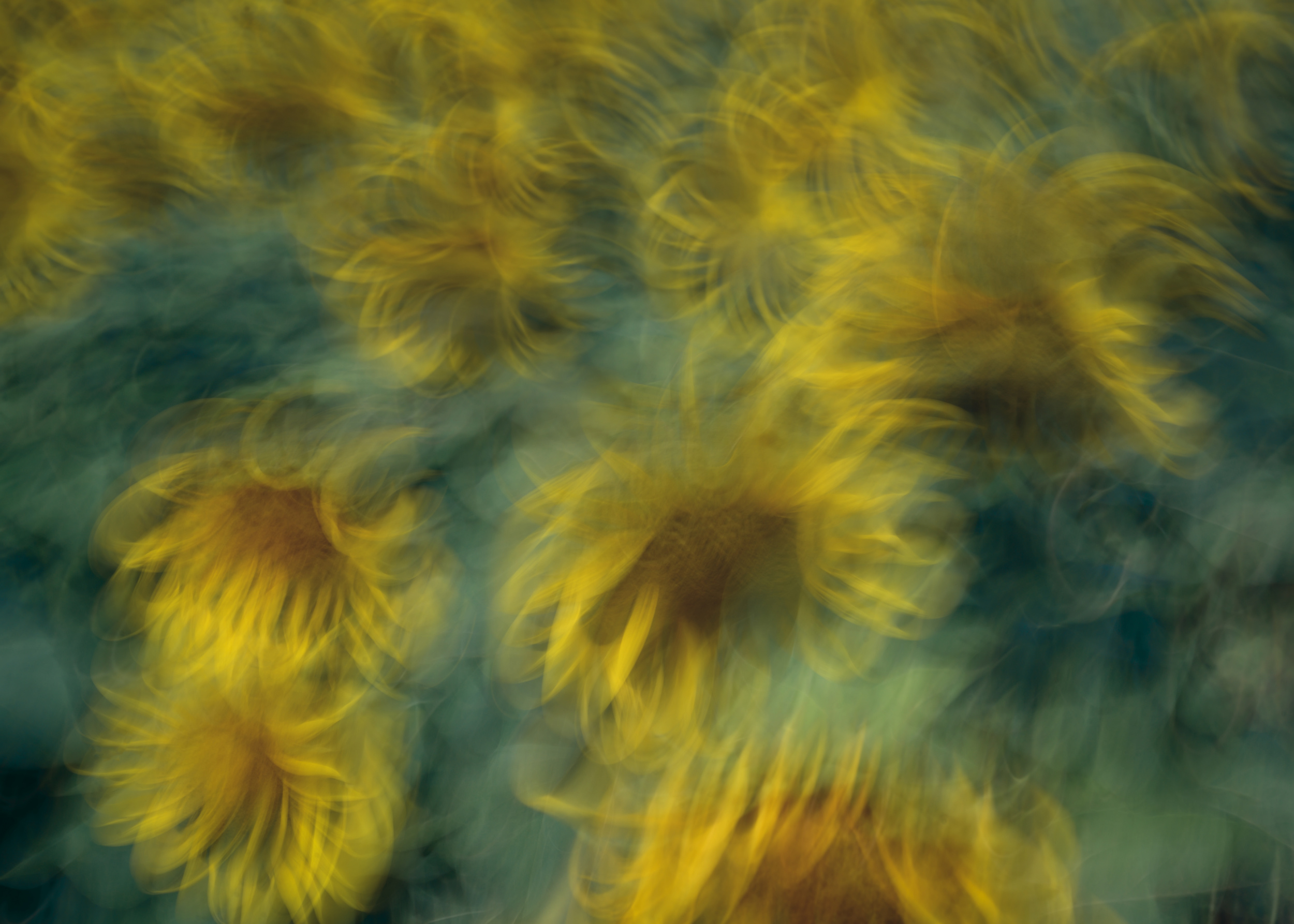
‘Polka’ by Yuri Terakawa
 | Write |
 | Yaping Zhang PRO 非常谢谢各位摄影师分享梦幻艺术创意大片!恭喜Colin和Yvette。 |
 | Wanghan Li PRO Good article plus artistic works! Thanks a lot! |
 | CLEMENT Philippe PRO Superbe travail photographique |
 | Stephan Rückert PRO Wonderful results with innovative technology. Nevertheless, ICM should only be used if the images were really created by the movement of the camera and not by post-processing on the computer. |
 | Wayne Pearson PRO Wonderful, imaginative, creative work by everyone, thank you all. Thank you too Colin for your editing presentation. |
 | Jane Lyons CREW Wonderful article and selection of photographs, Thanks for your work, Colin!
|
 | Cristiano Giani PRO Stunning images. Many congrats to authors... |
 | Ursula Rodgers A really beautiful selection of photographs. I would love to see tutorials on the subject! |
 | Hans-Wolfgang Hawerkamp PRO A remarkable collection of magnificent photographic art by photographers, some of whom no longer exhibit here. A beautiful reminder of these members. Thanks to Colin and Yvette |
 | Cicek Kiral CREW Great article and images...I am too getting caught up in this technique lately...Thanks dear friends...
|
 | Colin Dixon CREW Glad to see another convert :) |
 | Francisco Villalpando PRO Very interesting article con ICM, a photo genre I love and I like to learn more. Excellent collection of pictures, congratulations, Colin and Yvette. |
| Colin Dixon CREW Thank you |